IPTV Internet Protocol Television restreaming technology is revolutionizing how viewers access and enjoy their favorite television content. At its core, IPTV leverages internet protocol networks to deliver television programming directly to users through various devices, including smart TVs, tablets, and smartphones. This innovation allows users to bypass traditional cable and satellite services, offering a more flexible and customizable viewing experience. One of the key features of IPTV is its ability to restream content, which involves redistributing live TV channels and on-demand video from various sources to a broader audience. Restreaming technology enhances the IPTV experience by enabling providers to aggregate content from multiple sources and delivers it seamlessly to viewers. This aggregation process involves capturing streams from various broadcasters, encoding the content for optimal quality, and then delivering it to users over the internet. As a result, viewers gain access to a more extensive library of channels and programs than what is typically offered by traditional providers. This capability is especially appealing to international audiences who seek access to home-country channels or niche programming not readily available in their region.
The implementation of iptv reseller restreaming also comes with significant technological advancements that ensure high-quality streaming experiences. Advanced video compression techniques, such as H. 265, allow providers to deliver content in high definition while using less bandwidth, reducing buffering and enhancing playback quality. Moreover, adaptive bitrate streaming technology automatically adjusts the quality of the stream based on the viewer’s internet connection speed, ensuring a smooth and uninterrupted viewing experience, even on slower connections. In addition to quality improvements, IPTV restreaming technology enhances user interactivity and engagement. Many providers incorporate features such as Electronic Program Guides EPGs, allowing viewers to browse upcoming shows, set reminders, and access on-demand content seamlessly. Some platforms even offer interactive features, including live chats, polls, and social media integrations, creating a more immersive viewing experience that keeps audiences engaged. Furthermore, the rise of cloud technology plays a pivotal role in powering IPTV restreaming services.
Cloud-based infrastructure allows providers to scale their services quickly, manage content libraries efficiently, and reduce operational costs. By utilizing cloud storage, IPTV providers can ensure that content is accessible to viewers anytime and anywhere, breaking geographical barriers and enhancing user convenience. Security is another crucial aspect of IPTV restreaming technology. With the increase in content piracy and unauthorized access to streaming services, advanced security measures such as encryption and authentication protocols protect content and ensure that only authorized users can access specific streams. This level of security not only safeguards the interests of content creators but also provides users with peace of mind while enjoying their favorite shows and click here to buy. In summary, IPTV restreaming technology represents a significant advancement in the way television content is delivered and consumed. By combining high quality streaming, interactive features, cloud infrastructure, and robust security measures, this technology is transforming the viewing landscape, providing audiences with unparalleled access to a vast array of channels and programming.
 This involves gathering all the necessary evidence, including accident reports, medical bills, photographs, and expert witness testimony if needed. This phase is critical because the more solid evidence you have, the stronger your case will be. Your lawyer will also help you understand the statute of limitations how much time you have to file your claim, which varies depending on your location and the nature of your injury. Once the investigation is complete, the attorney will file a claim with the at-fault party’s insurance company or directly in court if necessary. This claim outlines your injuries, how they occurred, and the compensation you are seeking for medical bills, lost wages, pain and suffering, and other damages. A significant portion of personal injury claims are resolved during the negotiation phase with insurance companies. After receiving your claim, the insurance company will evaluate your case and likely offer a settlement. Insurance adjusters may try to minimize payouts, so having an experienced attorney is critical during this phase.
 Regular exercise not only burns calories but also helps build muscle mass, which can increase metabolism. Finding enjoyable activities, whether it is walking, swimming, dancing, or joining a fitness class, can make it easier to stay committed. The recommendation for adults is at least 150 minutes of moderate-intensity aerobic activity each week, combined with strength-training exercises on two or more days. Setting up a consistent exercise schedule can promote adherence and lead to better results. Behavioral changes are also an important component of weight loss management. Identifying triggers that lead to overeating or unhealthy food choices can help individuals develop strategies to overcome them and see here
  One of the standout advantages of a premium indoor sauna kit is the health benefits it offers. Regular sauna sessions can boost cardiovascular health, improve circulation, and aid in muscle recovery, making them ideal for individuals leading active lifestyles. The heat generated in a sauna raises your heart rate, promoting better blood flow and encouraging the release of toxins through sweat. This process not only helps in detoxification but also strengthens the immune system over time and check over here
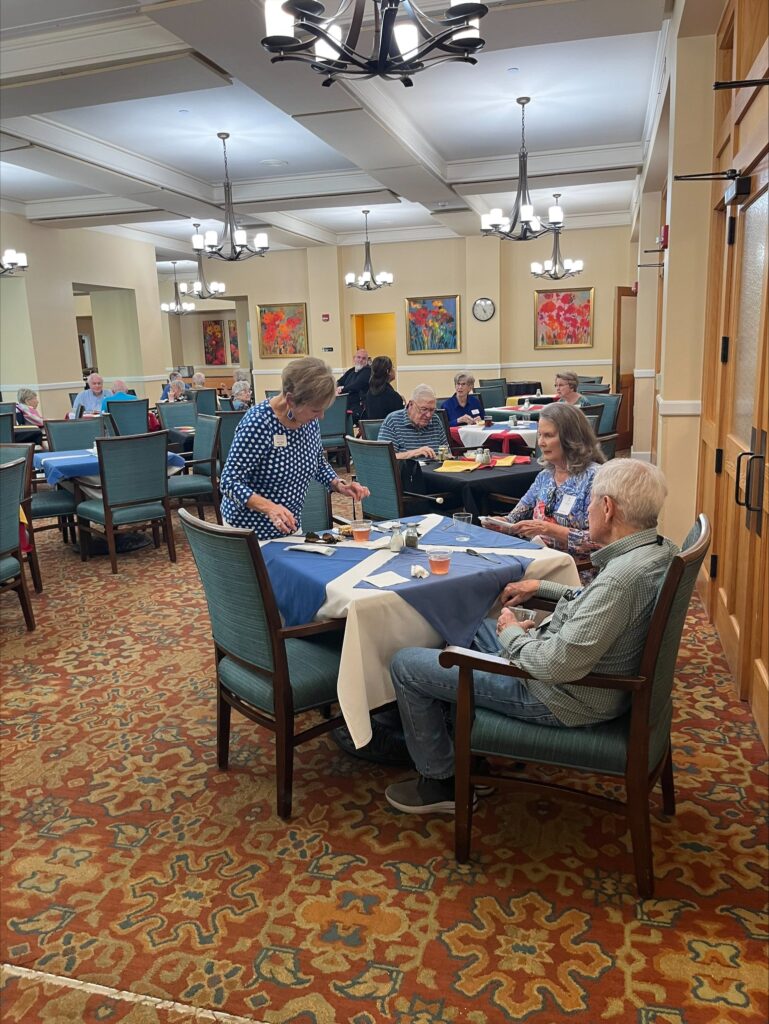 For seniors who require a bit more assistance with daily activities, assisted living communities are a suitable option. These communities provide help with tasks such as bathing, dressing, and medication management, while still encouraging independence. Assisted living facilities are designed to offer a balance between support and freedom, enabling residents to live comfortably while receiving personalized care tailored to their needs. When the level of care needed becomes more intensive, memory care units come into play. These specialized facilities cater to individuals with Alzheimer’s disease or other forms of dementia. Memory care units are equipped with secure environments and staff trained specifically to manage the challenges associated with cognitive decline. The focus here is on providing a safe, structured setting that promotes cognitive function and quality of life through tailored activities and therapeutic interventions. These facilities offer 24/7 medical supervision and support from licensed nurses and healthcare professionals.