Efficient operation of industrial steam boilers relies heavily on the quality of water used within the system. Without proper treatment, impurities in the water can lead to scale buildup, corrosion, and reduced heat transfer, all of which decrease efficiency and increase maintenance costs. Implementing a well-structured water treatment program is essential for ensuring long-term boiler performance and energy savings.
Importance of Water Treatment
Water used in boilers often contains minerals, dissolved gases, and suspended solids that can cause serious operational problems. Proper treatment helps in:
- Preventing Scale Formation: Minerals such as calcium and magnesium form deposits that insulate heat transfer surfaces.
- Reducing Corrosion: Oxygen and carbon dioxide in feedwater can corrode metal parts, weakening the system.
- Improving Energy Efficiency: Clean and treated water allows boilers to operate at optimum fuel-to-steam efficiency.
- Extending Equipment Life: Treated water minimizes wear and tear, reducing the risk of costly breakdowns.
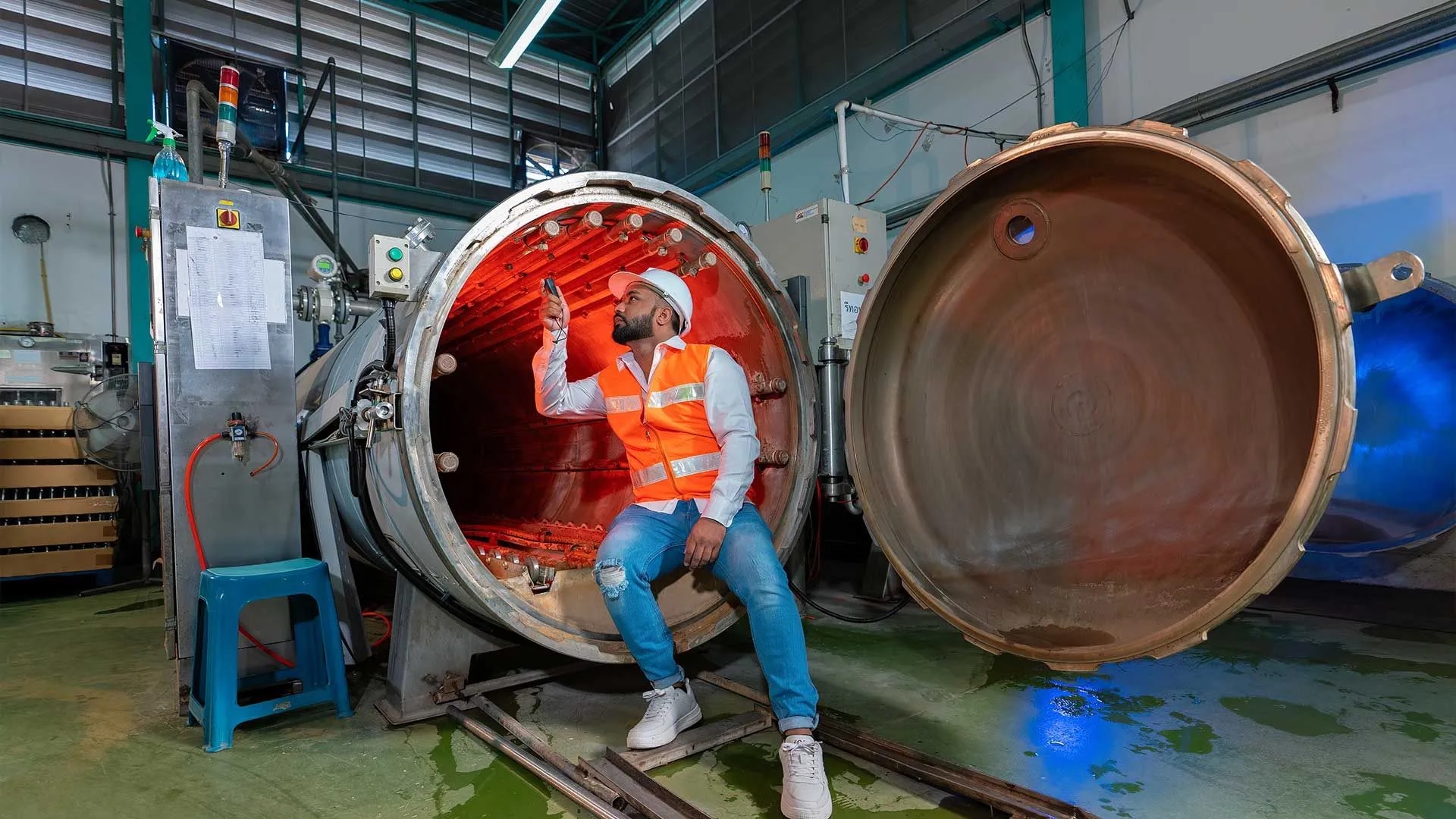
Industrial boilers play a vital role in powering large facilities, and you can see here how they consistently ensure reliable performance with maximum safety.
Key Processes in Boiler Water Treatment
To maintain efficiency, water treatment programs typically include several stages:
- Filtration and Softening: Removes suspended solids and hardness-causing minerals.
- Deaeration: Eliminates dissolved oxygen and gases that contribute to corrosion.
- Chemical Treatment: Uses specific chemicals to control pH, inhibit scale, and neutralize corrosive substances.
- Blowdown Control: Periodically removes concentrated impurities to maintain proper water balance.
Benefits of Effective Water Treatment
When water is treated correctly, the boiler system delivers measurable advantages:
- Fuel Savings: Enhanced heat transfer means less fuel is required to produce steam.
- Reduced Downtime: Prevents unplanned shutdowns caused by scaling or corrosion issues.
- Lower Maintenance Costs: Minimizes repair frequency and replacement of critical components.
- Consistent Steam Quality: Ensures reliable performance for industrial processes requiring stable steam supply.
Best Practices for Ongoing Efficiency
Water treatment should not be viewed as a one-time activity but as an ongoing process. To maximize efficiency, organizations should:
- Monitor Water Quality Regularly: Frequent testing ensures that treatment methods remain effective.
- Automate Treatment Systems: Automated controls help maintain proper dosing and blowdown cycles.
- Train Operators: Skilled staff can identify issues early and implement corrective measures promptly.
- Schedule Routine Inspections: Periodic reviews help detect hidden issues before they escalate.
Conclusion
Water treatment is fundamental to the efficient and safe operation of industrial steam boilers. By controlling impurities, preventing corrosion, and ensuring consistent water chemistry, organizations can achieve significant energy savings, reduce operating costs, and extend the lifespan of their equipment. A comprehensive treatment program, combined with regular monitoring and operator training, ensures that steam boilers remain reliable assets in industrial operations.