Limit switch symbol understanding streamlines troubleshooting and repair operations

In modern industrial and electrical systems, clarity and precision are essential for maintaining efficiency. One often-overlooked yet highly valuable aspect is the proper understanding of limit switch symbols in schematics. These symbols act as a universal language that simplifies communication, enhances diagnostics, and ensures smoother repair operations. When technicians and engineers clearly interpret these symbols, troubleshooting becomes faster, more accurate, and highly efficient.

The Importance of Limit Switch Symbols in Troubleshooting

Limit switch symbols represent the position and function of switches within a circuit. Recognizing these symbols allows professionals to quickly identify how a system behaves under different conditions.

Key benefits include:

  • Quick fault identification: Symbols help pinpoint issues without unnecessary guesswork
  • Improved system understanding: Clear diagrams provide better insight into circuit logic
  • Reduced downtime: Faster diagnosis leads to quicker repairs
  • Enhanced safety: Accurate interpretation minimizes risks during maintenance

With a solid grasp of these symbols, technicians can confidently approach complex systems and resolve issues with precision.

How Symbol Knowledge Simplifies Repair Operations

Understanding limit switch symbols not only aids in identifying problems but also streamlines the repair process. When diagrams are easy to interpret, repairs become more systematic and less time-consuming.

Ways it improves repair efficiency:

  • Clear component identification: Easily locate the exact switch involved
  • Step-by-step troubleshooting: Follow circuit flow logically
  • Reduced trial-and-error: Eliminate unnecessary testing
  • Better communication: Teams can collaborate effectively using standard symbols

This structured approach ensures that repairs are done correctly the first time, boosting overall productivity. Using a limit switch diagram simplifies wiring and connection processes.

Enhancing Diagnostic Accuracy in Industrial Systems

Accurate diagnostics are critical for maintaining high-performance systems. Limit switch symbol understanding plays a key role in improving diagnostic precision.

Advantages for diagnostics:

  • Consistent interpretation across teams
  • Better prediction of system behavior
  • Efficient isolation of faults
  • Improved maintenance planning

By relying on standardized symbols, professionals can make informed decisions quickly and confidently.

Supporting Preventive Maintenance and Long-Term Reliability

Beyond immediate troubleshooting, symbol knowledge also contributes to preventive maintenance strategies. When systems are clearly understood, potential issues can be identified before they escalate.

Preventive maintenance benefits:

  • Early detection of wear or misalignment
  • Reduced unexpected failures
  • Improved equipment lifespan
  • Optimized maintenance schedules

This proactive approach ensures that systems remain reliable and efficient over time.

Building Confidence and Technical Expertise

A strong understanding of limit switch symbols empowers technicians and engineers to work more effectively. It builds confidence, reduces uncertainty, and promotes a professional approach to system maintenance.

Key outcomes:

  • Greater confidence in handling complex circuits
  • Improved technical skills
  • Higher quality repairs
  • Stronger teamwork and communication

As knowledge grows, so does the ability to handle advanced troubleshooting scenarios with ease.

Conclusion

Understanding limit switch symbols is a powerful skill that significantly streamlines troubleshooting and repair operations. It enhances clarity, improves diagnostic accuracy, and supports efficient maintenance practices. By mastering this essential aspect of electrical schematics, professionals can ensure faster repairs, safer operations, and long-term system reliability.

How Often Should You *Actually* Pressure Wash? It’s Not One-Size-Fits-All

Bold take: most people pressure wash on the calendar instead of on the *conditions*, and that’s why they either waste weekends… or end up scrubbing algae with a broom like it’s 1997.

Where you live decides the real schedule. Salt air.Humidity.Dust.Traffic film.Shade.Tree cover. Even the direction your house faces. Same siding, same washer, totally different mess.

One-line truth: your “frequency” is really a response plan.

The real driver: what’s attacking your exterior right now?

Think of pressure washing like brushing your teeth. You don’t do it because it’s “April.” You do it because plaque happens.

Exterior “plaque” changes by region:

Coast: salt + moisture = corrosion and staining that doesn’t politely wait until fall

Humid climates: mold, mildew, algae grow fast (and they *come back fast*)

Dry deserts: sand abrasion + UV degradation, but less biological growth

Urban corridors: soot, traffic film, greasy particulate, gum, graffiti risk

Rural/ag: pollen, dust, fertilizer residue, bug splatter, leaf tannins

Now, this won’t apply to everyone, but if you’re guessing your schedule instead of watching the surfaces, you’re probably missing the early “easy-clean” window. If you’re not sure what signs to look for, understanding How Professional Pressure Washing Works can make it easier to spot when buildup is still simple to remove.

A baseline cadence (so you’re not winging it)

I don’t love rigid rules, but people need a starting point. Use this as your “default,” then adjust after one full season of living with it.

Quick-start intervals by environment

Coastal (salt exposure):

– Light rinse: every 2, 4 weeks in peak season

– Full wash: 2, 4 times/year

Humid / subtropical (mold & algae country):

– Full wash: every 3, 6 months

– Spot-treat shaded sides as needed (sometimes monthly)

Urban / high-traffic streets:

– Front elevation + walkways: every 3, 6 months

– Full exterior: 1, 2 times/year

Rural / agricultural:

– Full wash: 1, 2 times/year

– Add one extra rinse after heavy pollen, harvest dust, or manure spreading (yep, it happens)

Dry desert:

– Full wash: 1 time/year (often enough)

– Occasional low-pressure rinse after sandstorms

That’s the calendar version. The better version is triggers.

Your best schedule is trigger-based (and kind of boring)

Here’s what I tell friends: walk around the house with a coffee once a month. Look for these.

Short list, because it helps:

– Green/black shading on north-facing walls

– “Tiger stripes” under gutters

– Rust blooms around fasteners/railings

– Chalky oxidation on painted surfaces

– Slippery patio spots (that’s algae even if it looks like “dirt”)

– Salt crust at coastal doors, rails, and garage edges

If two or more show up, you’re due.

Coastal living: salt is the villain, not “dirt”

Salt doesn’t just make things ugly. It quietly destroys coatings, pits metal, and shortens the life of anything with fasteners. I’ve seen railings that looked “fine” until the homeowner touched them and the paint came off like sunburned skin.

A practical coastal routine looks like this: rinse more, blast less.

– Use low-to-medium pressure and more water volume

– Detergent can help, but thorough fresh-water rinse is the real hero

– Focus on joints: brackets, hinges, door thresholds, outdoor light mounts (salt loves crevices)

(And yes, check your equipment. Salt residue inside quick connects and nozzles will ruin your day.)

Humidity zones: you’re not cleaning dirt, you’re managing biology

Mold and algae don’t need a special invitation. They need shade, moisture, and a surface that stays damp long enough.

Here’s the thing: in humid climates, the “clean” look can fool you. Growth starts as a thin film you only notice when it becomes a stain. By then, you’ll be tempted to crank PSI, and that’s when you shred wood fibers or drive water behind siding.

Better approach:

Pressure Washing

– Wash more often at lower pressure

– Treat shaded sides and roof streaks with surface-appropriate cleaners

– Keep gutters and downspouts flowing so walls don’t stay wet

One-line emphasis: water management beats pressure.

Urban grime: traffic film is sticky, and it behaves differently

City buildup isn’t fluffy dust. It’s oily particulate that bonds to siding and concrete, especially near driveways and busy roads. If you’ve ever noticed a “gray cast” that returns quickly, that’s not your imagination.

I’m opinionated on this: don’t overuse harsh chemicals in dense areas. You’ll just push dirty runoff into storm drains and kill nearby landscaping.

Instead:

– Pre-wet plants and soil

– Use targeted detergent only where the film is stubborn

– Rinse top-down, slow and controlled, so you’re carrying grime away rather than redistributing it

Also, shaded urban walls can grow mildew too. Pollution + moisture is a gross combo.

Rural/ag areas: pollen and dust don’t look dangerous… until they bake on

If you’re surrounded by fields or heavy tree cover, you get a seasonal roller coaster. Spring pollen paints everything. Late summer dust settles into textures. Fall tannins from leaves stain concrete like weak tea.

You’ll usually do fine with 1, 2 full washes a year, but time it strategically:

– After the big pollen drop

– After harvest/extended dry winds

– Before winter, so stains don’t “set” for months

In my experience, rural homes also collect debris in eaves and corners, which becomes a pest-friendly hotel. Cleaning those spots is maintenance *and* pest control in one move.

Dry desert: less washing, more surface preservation

Desert exteriors often don’t need frequent cleaning, but they do need smart handling. Sun-baked paint and stucco can be brittle. Sand is abrasive. And hot surfaces make detergents flash-dry and leave marks.

So don’t wash at noon. Seriously.

Use:

– Wide fan tips

– Lower PSI than you think

– A pre-rinse to float grit off before you “scrub” it across the finish

If you’re sealing pavers or concrete, washing right before resealing is the sweet spot.

Seasonality: the calendar matters, but the forecast matters more

Winter washing can be a mess (literally) if freezing is on the table. Ice patches, frozen hoses, cracked fittings. Not fun.

Spring is the reset season: pollen + rain splash marks + early mildew. Summer is fine if you wash early or late so you don’t streak and cook chemicals onto siding. Fall is leaf stains and gutter overflow, short, targeted cleanups beat one marathon session.

And if storms roll through? Post-storm rinsing can prevent a lot of long-term staining from wind-driven grime.

Surface type changes the schedule more than people admit

Vinyl siding can handle more frequent gentle washing. Wood decks can’t. Masonry can take abuse, but it can also etch if you get aggressive, especially on softer brick or older mortar.

A decent rule I use:

Soft surfaces: wash less often, lower pressure, more chemistry and dwell time

Hard surfaces: wash as needed, but control distance and angle to avoid gouging

Test patches aren’t optional (unless you enjoy surprise damage).

One actual data point (because vibes aren’t enough)

If you want a real “why,” mildew and mold love humidity. The EPA notes that indoor mold growth is supported when relative humidity is above 60% and recommends keeping it between 30, 50% to inhibit growth. That’s indoors, sure, but outdoors in humid regions you’re basically living in the mold comfort zone for large chunks of the year. Source: U.S. EPA, “Mold Course: Chapter 2” (epa.gov).

Translation: if your climate is routinely humid, expecting a once-a-year wash to hold is wishful thinking.

My practical recommendation (the schedule I’d put on my own house)

Look, you can turn this into a hobby. Or you can keep it simple.

Walk-around inspection: monthly

Spot clean: whenever you see slick algae, gutter stripes, or shaded mildew starting

Full wash: 1, 2x/year for most places, 2, 4x/year for coastal/humid-heavy zones

Rinse-only sessions: coastal and high-dust areas benefit a lot from quick rinses between full washes

The house will tell you what it needs, if you actually look at it.

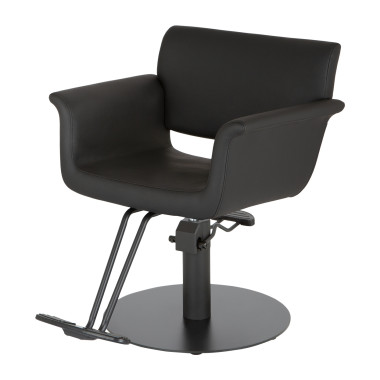
Adjustable Salon Chairs Offer Flexibility For Different Client Heights

In the modern beauty industry, client comfort and stylist efficiency are top priorities. Adjustable Salon chairs have become an essential feature in contemporary salons, providing flexibility for clients of all heights while enhancing the overall salon experience. These chairs are designed to meet the diverse needs of every individual, making every visit more comfortable and enjoyable.

Enhanced Comfort for Every Client

One of the primary benefits of adjustable salon chairs is their ability to accommodate clients of varying heights seamlessly. Whether it is a child, an adult, or a taller individual, the chair can be effortlessly modified to ensure proper posture and comfort during treatments.

  • Customizable height settings – Easily adjustable for clients of all sizes.
  • Improved client experience – Clients feel more relaxed and pampered.
  • Supportive design – Helps maintain correct posture during long treatments.

Clients notice the difference immediately, as a properly positioned chair reduces strain on the neck, back, and legs, making treatments such as haircuts, coloring, or styling more enjoyable.

Streamlined Salon Operations

Online Shopping

Adjustable chairs do more than benefit clients they also enhance the efficiency of salon professionals. Stylists can work more comfortably without having to bend or stretch excessively, reducing fatigue and increasing productivity.

  • Ergonomic advantages – Stylists can adjust chair height for optimal working posture.
  • Time-saving adjustments – Quick and easy height modifications during sessions.
  • Versatility for multiple services – Suitable for haircuts, coloring, styling, and facial treatments.

By improving the ergonomics of salon workstations, adjustable chairs help reduce workplace strain, allowing staff to deliver their best performance consistently.

Stylish and Functional Design

Beyond comfort and practicality, modern adjustable Salon Chairs add a stylish touch to any salon environment. Their sleek design complements contemporary interiors while maintaining a professional appearance. Many models also feature smooth hydraulic lifts or footrests that blend functionality with elegance.

  • Aesthetic appeal – Enhances salon décor with a modern look.
  • Durable construction – Built to last with high-quality materials.
  • Smooth operation – Hydraulic or mechanical systems for seamless adjustments.

The combination of style, durability, and versatility ensures that adjustable chairs not only perform well but also elevate the overall salon ambiance.

Investing in Client Satisfaction

Choosing adjustable salon chairs is an investment in client satisfaction and staff well-being. By offering flexible seating options, salons demonstrate a commitment to comfort, professionalism, and inclusivity. Clients leave feeling cared for, while stylists enjoy an efficient and ergonomic workspace.

  • Boosts client loyalty – Comfortable experiences encourage repeat visits.
  • Enhances service quality – Proper chair positioning supports precision in treatments.
  • Promotes a welcoming environment – Accommodates clients of all ages and heights.

In conclusion, adjustable salon chairs are a must-have in modern beauty spaces. They offer unmatched flexibility for different client heights, elevate the salon’s aesthetic, and improve operational efficiency. Incorporating these chairs into your salon is a step toward creating a more comfortable, stylish, and client-focused environment.

Streaming Music Freely Becomes Easy Tubidy Review Explains

Listening to music online has become one of the easiest ways to enjoy favorite songs anytime. With the rise of free streaming tools, users can explore massive music collections without complicated steps or subscriptions. A recent review highlights how modern free streaming platforms are making music access smoother, faster, and more enjoyable for listeners who simply want quick entertainment.

From effortless search tools to flexible listening options, the experience focuses on simplicity and convenience. For anyone who loves discovering songs without barriers, this kind of service can feel like a major upgrade to everyday music listening.

Effortless Music Discovery

One of the strongest features highlighted in the review is how easily users can discover songs. Instead of navigating complicated menus, most tracks can be found in seconds through a simple search process.

Key discovery features include:

Tubidy Mp3 Download

  • Quick search bars that instantly display song results
  • Organized categories for trending or popular music
  • Fast loading track previews
  • Suggestions that help users explore related songs

This streamlined discovery process makes it easier for listeners to move from one track to another without interruptions.

Fast and Smooth Streaming Experience

Speed plays a major role in user satisfaction, and the review emphasizes how quickly music begins playing once a track is selected. Fast loading times help create a smooth listening session without frustrating delays. Easy navigation and quick search features make Tubidy Mp3 a convenient option for people looking for accessible music downloads.

Users can enjoy:

  • Instant playback for most tracks
  • Minimal buffering during streaming
  • Consistent performance even when browsing multiple songs

This responsiveness allows listeners to build playlists or switch between songs without slowing down the experience.

Download and Offline Listening Options

Another convenient aspect mentioned in the review is the ability to save music for offline listening. This feature adds flexibility for users who want their favorite tracks available even without a connection.

Benefits of offline listening includes:

  • Saving songs for later playback
  • Reducing repeated streaming usage
  • Accessing music during travel or limited connectivity

These options help transform a simple streaming platform into a more versatile music companion.

User-friendly Interface

A simple design often determines whether a platform feels enjoyable or frustrating. According to the review, the interface focuses heavily on clarity and ease of use.

Important design highlights include:

  • Clean layout with clearly labeled controls
  • Easy navigation between search, playback, and downloads
  • Mobile friendly structure that adapts well to smaller screens

Because everything is arranged logically, even first time users can quickly understand how to find and play music.

Wide Variety of Music

Music lovers appreciate variety, and the review notes that the available library covers many styles and moods. Whether someone enjoys energetic tracks, relaxing melodies, or classic hits, there are plenty of options to explore.

Listeners can typically find:

  • Popular chart style tracks
  • Timeless favorites from earlier eras
  • New releases gaining attention
  • Instrumental or mood focused music

This wide range helps ensure there is always something new to discover.

Safe and Simple Access

Another positive point highlighted is the simplicity of accessing music without complicated account processes. Many users appreciate being able to begin listening quickly without lengthy setup steps.

The platform experience focuses on:

  • Quick access to songs
  • Minimal barriers to start streaming
  • Simple controls that work across devices

These qualities make the service appealing to users who want instant entertainment.

Why Free Streaming Is Growing in Popularity

Free music streaming continues to gain attention because it removes many traditional limitations. Easy access, flexible listening options, and massive song collections allow listeners to enjoy music whenever they want.

For many users, this combination of convenience and variety creates a listening experience that feels both modern and effortless.

Final Thoughts

The review ultimately shows that free music streaming has evolved into a smooth, accessible way to enjoy songs. With fast playback, easy discovery tools, and flexible listening features, enjoying music online has never been simpler.

Help Buyers Compare Plants Easily With Organized Attribute Sets

Overwhelming product information or inconsistent descriptions can create confusion and slow down the decision-making process. Organized attribute sets offer a solution by standardizing plant information, enabling buyers to quickly compare key characteristics and make informed choices with ease.

Structured attributes not only simplify comparisons but also enhance the overall customer experience, increasing satisfaction and trust.

What Are Organized Attribute Sets?

Organized attribute sets are structured collections of key plant characteristics presented consistently across all entries in a catalog or digital listing. Each attribute provides specific, relevant information that buyers can use to evaluate and compare options effectively. Plant photos with metadata allow scientists to analyze phenotypic traits across different environmental conditions.

Common attributes include:

Plants Data

  • Plant height and width at maturity
  • Growth rate and lifespan
  • Light, water, and soil requirements
  • Blooming season and flower color
  • Hardiness zones and climate suitability
  • Pest and disease resistance

By maintaining a uniform format, buyers can quickly scan and contrast multiple plants without confusion.

Key Benefits of Using Attribute Sets for Buyers

Organized attribute sets provide multiple advantages that improve the plant selection experience.

  1. Faster Decision-Making
  • Buyers can instantly identify plants that meet their specific requirements
  • Reduces time spent interpreting inconsistent or incomplete descriptions
  • Simplifies side-by-side comparison of multiple plants
  1. Increased Confidence in Choices
  • Consistent and complete information builds trust
  • Clear attributes minimize uncertainty about plant performance
  • Enables buyers to select plants that thrive in their environment
  1. Enhanced Visual and Informational Clarity
  • Standardized tables or cards make comparisons intuitive
  • Color-coded or icon-based indicators improve readability
  • Streamlines both online and print catalogs

How Attribute Sets Improve Catalog Management

For catalog creators, using organized attribute sets brings operational benefits that improve workflow and quality.

  1. Consistency Across Listings
  • Uniform templates for plant information
  • Reduces errors in descriptions and data entry
  • Ensures all critical details are included for each plant
  1. Scalable Content Updates
  • Easily add new plants while maintaining a consistent format
  • Quickly update attributes if plant care guidelines change
  • Supports large inventories without overwhelming buyers
  1. Integration With Automated Workflows
  • Attribute sets can feed directly into digital catalogs, mobile apps, and product databases
  • Reduces manual effort and speeds up publishing
  • Supports dynamic sorting and filtering based on key characteristics

Best Practices for Creating Effective Attribute Sets

To maximize the benefits for buyers, plant attribute sets should be thoughtfully designed and implemented.

  • Use clear, simple, and consistent terminology
  • Include only the most relevant and actionable attributes
  • Standardize units of measurement for height, width, and other metrics
  • Group attributes logically (e.g., growth requirements, visual traits, resilience)
  • Incorporate visual aids like icons or charts to highlight important features

The Future of Plant Comparisons

Organized attribute sets are transforming how buyers interact with plant catalogs, enabling efficient comparisons and confident selections. By presenting standardized, comprehensive information, sellers can empower buyers to make the best choices for their gardens, landscapes, or indoor spaces.

When plants are easy to compare, buyers spend less time hesitating and more time enjoying the results of their selections. Structured attribute sets are a key tool in creating a positive, informed, and delightful plant-buying experience.

Commercial Strip‑Outs & Internal Demolition (What Actually Happens on Site)

A commercial strip-out is basically the part of a refurb where you make the space honest again. You remove the stuff that’s in the way, ceilings, partitions, joinery, floor finishes, so the next team can see what they’re really dealing with. It’s controlled, methodical, and (when done properly) surprisingly quiet compared to “demolition” in the Hollywood sense.

And yes, it can still go badly if you treat it like a simple smash-and-grab.

Strip-out vs internal demolition: same family, different temperament

Hot take: most “internal demolition” jobs are just strip-outs with a bigger ego.

Strip-out work is typically non-structural removal, fixtures, fittings, redundant services, and surface assemblies. For anyone tackling Brisbane commercial and internal strip-outs, understanding this scope is essential. Internal demolition can include heavier removals and sometimes partial structural interventions (openings, slab saw-cuts, stair removals, fire-compartment changes), but the line isn’t poetic. It’s contractual, regulatory, and very often… political.

One-line truth:

Strip-out exposes. Demolition changes.

What a commercial strip-out really includes (and what it shouldn’t)

If you want a clean, refit-ready shell, the scope usually hits:

– Suspended ceilings, grid, tiles, bulkheads

– Non-load-bearing partitions and glazed screens

– Floor coverings, raised access floors (sometimes), adhesives, trims

– Joinery, reception desks, kitchenettes, lockers

– Loose FF&E if it’s not being retained or relocated

– Redundant mechanical/electrical/plumbing runs only once isolated and confirmed dead

Now here’s the thing: a good contractor doesn’t “remove everything” just because it’s faster. They remove what the next phase needs removed, and protect what must remain, fire-rated elements, structural members, landlord-owned risers, base building services, and anything lease-required.

I’ve seen projects lose a week because someone ripped out comms cabling that looked redundant but fed an adjacent tenant. No one forgets that kind of mistake.

Before anyone swings a hammer: surveys, isolations, and the unsexy paperwork

Brisbane house demolition and site clearing

Some of this feels tedious until the day it saves you.

The baseline: surveys

You want a documented pre-strip survey that answers awkward questions early:

– What’s live?

– What’s hidden?

– What’s contaminated?

– What’s landlord property?

– What can’t be touched without a permit?

Depending on the building age and jurisdiction, you may need hazardous materials surveys (asbestos, lead-based paint, silica risk, PCB-containing components, etc.). Don’t gamble. The cheapest survey is the one that prevents a shutdown.

Isolation isn’t a vibe, it’s a process

Power, water, sprinklers, HVAC controls, each needs proper isolation, lockout/tagout, and verification. Not “we turned it off at the breaker and it seemed fine.”

A landlord, tenant reality check (because leases run the job)

Sometimes the lease dictates the method more than the engineer does.

Lease scope impacts

If the lease says “make good to Cat A,” you’re not doing a creative free-for-all. You’re restoring to a defined baseline, often with strict definitions around what’s tenant-owned versus base build. Landlords also care about asset protection: risers, fire systems, structure, and common services are usually treated like sacred ground.

Paperwork that stops arguments later:

– agreed scope inclusions/exclusions

– landlord approvals and notice periods

– photos and condition reports before commencement

– sign-off criteria (“what does acceptable look like?”)

Structural vs cosmetic (a practical distinction)

Cosmetic: finishes, partitions, most ceiling systems, non-load-bearing joinery.

Structural: slabs, beams, columns, bracing, fire-rated compartmentation, penetrations through rated walls, anything that changes load path or compliance.

If you’re touching structure or fire strategy, expect a different tier of approvals and inspections.

Timing obligations

Now, this won’t apply to everyone, but… most strip-out pain is timing pain. Lease expiry dates, handback windows, quiet hours, lift access bookings, and permit lead times will dominate your schedule if you let them.

Permits, risk assessments, safety: the part people underestimate

Look, strip-outs are “simple” until they aren’t.

A competent plan usually includes:

– task-specific risk assessment (dynamic, updated as conditions change)

– method statement / safe work method procedure

– emergency response plan (including dust/fire/evacuation routes)

– hot works controls if cutting/grinding is expected

– dust containment and negative air where required

– daily briefings and permit-to-work coordination

And yes, dust is a safety issue, not just a cleanliness issue. Silica exposure isn’t theoretical.

A useful stat for context: OSHA states that respirable crystalline silica exposure can cause silicosis, lung cancer, and kidney disease and regulates it under 29 CFR 1926.1153 (source: OSHA, Respirable Crystalline Silica Standard for Construction). That’s not “nice to have” compliance, that’s job-stopping compliance.

Waste, recycling, and the stuff nobody wants to store on site

Waste strategy is one of the biggest cost levers on strip-outs, and it’s where mediocre contractors quietly bleed your budget.

A strong approach starts at the face of work:

– segregate streams early (metal, timber, plasterboard, mixed C&D, hazardous)

– label and contain properly to prevent cross-contamination

– plan logistics: where do skips sit, how are they swapped, what are the access hours?

– track waste transfer notes/manifests for audit and regulatory coverage

Deconstruction beats demolition when salvage value matters. I’ve seen strip-outs partially fund themselves just by reclaiming cable trays, light fittings, and quality doors, assuming the removal is careful and the resale/reuse channel is lined up in advance.

(If you wait until the last week and then ask about “recycling,” you’re basically paying landfill prices with better branding.)

Budget, programme, and how to stop the site from ruining everyone’s week

Strip-out costs aren’t just labour and skips. The hidden drivers are access constraints, out-of-hours work, making-good requirements, and the unknowns behind walls and above ceilings.

A workable budgeting posture:

– build a scope that’s measurable (m² of ceiling removal, linear metres of partition, number of fan coil units, etc.)

– price preliminaries honestly (supervision, protection, hoarding, welfare)

– carry a contingency for discovery items (services clashes, undocumented fire stopping, water damage)

Disruption minimisation is less “be considerate” and more “design the job like you share the building.” Phasing, dust barriers, negative air, protected routes, lift booking discipline, and noise scheduling matter. Tenants don’t complain when you’re quiet; they complain when you surprise them.

One short paragraph, because it’s true:

Surprises are what get you kicked off site.

Picking a strip-out contractor (don’t just pick the cheapest brave quote)

I’m opinionated here: price-only selection is how you buy delays.

What I look for

– a real safety record (not a glossy PDF)

– method statements that read like they’ve been used before

– clarity on exclusions (fire stopping? making good? temporary services?)

– evidence they understand landlord rules and building logistics

– waste plan with traceability, not “we’ll handle it”

– programme that includes approvals, isolations, and access restrictions

Questions that smoke out risk early

Ask these and listen carefully to the confidence level in the answers:

– “Walk me through your isolation and verification process, who signs it off?”

– “What’s your assumption about asbestos/HAZMAT, and what happens if we find it?”

– “How will you keep dust from migrating to adjacent floors?”

– “Show me a sample daily report and your change-order workflow.”

– “What’s the noisiest activity, and when will it happen?”

– “What are you not pricing that you think we might expect?”

If they get defensive on that last one, you’ve learned something useful.

A framework that holds up when the job gets messy

Strip-outs reward discipline: survey properly, isolate methodically, document everything, control dust, and treat waste like a design problem instead of an afterthought. Keep landlords and tenants in the loop with clear boundaries and sign-offs. Then, and only then, you get the “clean canvas” everyone promises in meetings.

Because the real goal isn’t just removal.

It’s removal without creating the next problem.

Discover the Best Greek Online Shop for CBD & Cannabis Accessories

In recent years, CBD and cannabis accessories have become increasingly popular in Greece. Whether you are looking to explore the wellness benefits of CBD or need quality accessories to enhance your experience, finding the right online shop is key. Here’s what you should consider when shopping for CBD and cannabis products in Greece:

Why Choose an Online CBD & Cannabis Store?

  • Convenience: Shopping online for cbdoil and cannabis accessories offers a hassle-free experience. You can browse through a wide range of products, compare prices, and place an order from the comfort of your home.
  • Variety: The best online shops offer a broad selection of products, from premium CBD oils to vaping devices, all in one place.
  • Discreet Delivery: Reputable online stores ensure discreet packaging and delivery, so you can shop with confidence knowing your order will arrive privately and securely.

What to Look for in a Greek Online CBD Store?

CBD Oils & Flowers

  • High-Quality Products: When choosing an online store, prioritize those that offer only premium-grade CBD and cannabis accessories. Look for third-party testing and certifications to ensure product quality and safety.
  • Wide Range of Options: A great online shop will have a diverse selection of CBD oils, flowers, capsules, edibles, and various cannabis accessories, including vaporizers, grinders, and storage solutions.
  • Customer Support: The best stores offer excellent customer service. Look for those with helpful, knowledgeable staff who are ready to assist with any questions about products or shipping.

The Benefits of CBD & Cannabis Accessories

  • Promotes Wellness: CBD is known for its potential to support relaxation, reduce stress, and improve sleep quality. Many users also find it beneficial for pain relief and overall well-being.
  • Enhances the Experience: Whether you are vaping or enjoying CBD-infused edibles, the right accessories can elevate your experience. Quality vaporizers, grinders, and storage devices help you get the most out of your products.
  • Legal & Safe: In Greece, CBD products are legally available for sale online, ensuring a safe and regulated shopping experience.

Why Buy CBD & Cannabis Products Online in Greece?

  • Easy Access to Premium Products: Greek online shops provide easy access to high-quality CBD products that might not be readily available in physical stores. With just a few clicks, you can have your products delivered straight to your door.
  • Special Deals & Discounts: Many online shops offer exclusive deals, discounts, and loyalty programs to help you save on your purchases.
  • Privacy & Security: Online stores prioritize customer privacy, with secure payment options and discreet packaging ensuring a safe and confidential shopping experience.

Whether you are new to CBD or an experienced user, finding the right Greek online shop for CBD and cannabis accessories is crucial for getting the best products. With quality, variety, and convenience, online shopping offers a seamless experience that brings top-grade products right to your doorstep. Explore the online options today and discover the wellness benefits that CBD can bring to your life!

Copyright ©2026 . All Rights Reserved | Guillaumeprebois