
Comprehensive Digital Strategies Help Businesses Achieve Remarkable Online Growth

Digital success comes from combining creativity, strategic planning, and consistent optimization. Businesses can strengthen their online presence by developing comprehensive digital strategies that connect with audiences, communicate value, and encourage meaningful engagement. A well-planned approach brings different marketing activities together, creating a recognizable identity and supporting sustainable growth. Through valuable content, audience insights, and effective communication, organizations can build lasting relationships and achieve measurable online progress.

Building a Strong Digital Foundation

A successful digital strategy begins with a clear understanding of business objectives and customer expectations. Establishing a consistent online identity helps businesses communicate their values while creating positive experiences across digital touchpoints.

Important elements include:

  • Defining realistic marketing objectives that support long-term business development.
  • Creating consistent messaging that communicates products and services effectively.
  • Understanding customer interests to develop relevant marketing campaigns.
  • Maintaining an appealing digital presence through informative content.
  • Establishing measurable performance indicators to evaluate ongoing progress.

Strengthening Visibility Through Search Optimization

SEO Strategies

Search optimization helps businesses improve their discoverability and connect with audiences actively seeking relevant information. A carefully developed strategy combines valuable content, relevant keywords, and organized website structures to encourage stronger visibility.

Consistent optimization also supports an informative browsing experience, helping visitors discover useful resources and understand available offerings.

  • Researching relevant search terms that reflect customer interests.
  • Developing informative articles that answer common audience questions.
  • Improving page titles and descriptions for clearer communication.
  • Organizing website content with meaningful headings and internal links.
  • Publishing fresh information that supports continued audience engagement.

Creating Valuable Content That Builds Trust

High-quality content plays an important role in developing meaningful customer relationships. Informative articles, engaging visuals, and helpful resources allow businesses to demonstrate their value while encouraging visitors to explore their offerings.

A balanced content strategy can include:

  • Educational blog articles that explain useful industry concepts.
  • Engaging visual content that communicates important information.
  • Informative guides that help customers understand available solutions.
  • Compelling website descriptions that highlight business benefits.
  • Regular content updates that maintain audience interest.

Expanding Audience Engagement Through Digital Marketing

Effective audience engagement encourages stronger connections and creates valuable opportunities for business growth. Combining different digital marketing activities allows organizations to reach potential customers through relevant messages and consistent communication.

Strategic campaign planning helps maintain brand recognition while encouraging meaningful interactions.

  • Developing targeted campaigns around customer preferences.
  • Sharing engaging updates that encourage audience participation.
  • Creating personalized messages for different customer segments.
  • Using compelling calls to action to encourage further exploration.
  • Maintaining consistent communication throughout the customer journey.

Using Analytics to Improve Marketing Performance

Performance analysis provides valuable insights into audience behavior, campaign engagement, and website activity. Businesses can use these insights to refine their strategies, recognize successful opportunities, and improve marketing efficiency.

Data-driven decisions encourage continuous development and support more focused promotional activities. Exploring resources such as https://marketingflow.ca can also provide additional inspiration for understanding digital marketing approaches.

Useful performance considerations include:

  • Monitoring website traffic and visitor engagement.
  • Evaluating campaign reach and conversion performance.
  • Identifying popular content and audience preferences.
  • Reviewing customer interaction patterns.
  • Refining marketing activities through measurable insights.

Supporting Sustainable Online Business Growth

Comprehensive digital strategies create opportunities for businesses to develop stronger visibility, meaningful relationships, and consistent customer engagement. Combining search optimization, valuable content, audience-focused campaigns, and performance analysis establishes a balanced foundation for continued progress.

With creative thinking and regular improvements, businesses can adapt their marketing activities to changing customer expectations. A connected digital approach encourages stronger communication, increases brand awareness, and supports remarkable online growth through lasting customer value.

Quick Navigation Through Categorized Online Address Directories

Finding useful online addresses becomes easier when directories arrange resources into clear categories. Instead of moving through scattered links or repeating searches, readers can follow an organized structure that brings related destinations together. A categorized address directory works like a practical guide, helping visitors identify the right section, compare options, and reach relevant pages with fewer steps throughout everyday online activities.

1. Begin With the Main Categories

Scan the directory’s primary headings before opening individual links. Categories provide an overview of the subjects covered and help narrow your search.

  • Identify the section that matches the information you need.
  • Read category labels to understand what each collection contains.
  • Choose a broad category when your topic fits several sections.
  • Look for subcategories that divide large collections into manageable groups.
  • Keep your goal in mind to make browsing more efficient.

This first step creates a clear route through the directory with a simple browsing process.

2. Use Descriptive Labels to Narrow Your Search

Meaningful titles explain what each address offers.

  • Review short descriptions for details about each resource.
  • Compare similar entries by checking their stated purpose.
  • Prioritize labels that match your intended task.
  • Open one relevant address at a time to track useful findings.
  • Return to the category list when another subject is more suitable.

Clear naming supports quicker recognition. Specific titles help users distinguish related resources and select a suitable destination with confidence.

3. Check Updates and Organize Useful Links

Organized Link Collections

Directories become more valuable when their collections are reviewed and maintained. Notice any update dates or status notes while browsing.

  • Prefer entries that display recent review information.
  • Revisit important categories to see what has changed.
  • Save frequently used addresses in a personal bookmark folder.
  • Group saved links by topic for straightforward access.
  • Remove outdated bookmarks when a current resource is available.

For a streamlined routine, a collection such as 링크허브 주소모음 can be explored by selecting a topic, reviewing its grouped entries, and saving useful addresses.

4. Build a Consistent Navigation Routine

Begin with a clear purpose, move through the relevant category, and review each destination before saving it.

  • Use category names as a guide instead of browsing randomly.
  • Check page titles and descriptions before choosing an address.
  • Keep a short list of destinations for recurring tasks.
  • Explore related sections when you need additional information.
  • Recheck saved links occasionally to maintain a tidy collection.

Make Every Visit More Purposeful

Categorized online address directories offer a straightforward way to explore useful resources. By understanding category structures, reading descriptive labels, checking updates, and organizing saved links, visitors can navigate with greater ease. This approach reduces unnecessary searching and makes online discovery clear and convenient for different information needs.

Metabolic Health Investigations Consider Retatrutide’s Triple Receptor Activity

Metabolic health research continues to explore how hormonal signaling influences energy balance, glucose regulation, appetite, and body weight. Retatrutide has attracted scientific interest because of its distinctive triple receptor activity. It is being investigated for its interaction with three important hormone receptors: glucose-dependent insulinotropic polypeptide (GIP), glucagon-like peptide-1 (GLP-1), and glucagon.

This combined approach offers researchers an opportunity to understand how multiple metabolic pathways may work together to influence overall metabolic function.

Exploring the Three Hormonal Pathways

Each receptor plays a different role in metabolic regulation, creating an interesting area for scientific investigation.

  • GIP receptor: Helps researchers examine hormonal responses associated with nutrient intake and insulin secretion.
  • GLP-1 receptor: Supports investigations into appetite regulation, glucose-dependent insulin release, and digestive processes.
  • Glucagon receptor: Provides opportunities to study energy utilization, liver activity, and glucose metabolism.

By examining these three pathways together, researchers can develop a broader understanding of metabolic communication and hormonal coordination.

Potential Research Areas in Metabolic Health

The triple receptor approach creates several important areas for investigation, including:

  • Glucose regulation: Understanding how combined hormonal signaling influences blood glucose balance.
  • Energy metabolism: Exploring how different receptors contribute to energy utilization and storage.
  • Appetite signaling: Investigating hormonal mechanisms associated with hunger, fullness, and food intake.
  • Body weight research: Examining how changes in metabolic signaling may influence weight-related outcomes.
  • Insulin response: Studying interactions between hormonal activity and insulin secretion.
  • Liver metabolism: Exploring the glucagon pathway and its contribution to metabolic processes.

These research directions can help expand scientific knowledge of interconnected metabolic functions.

Advancing Scientific Understanding

One particularly interesting aspect of retatrutide research is the opportunity to investigate several biological mechanisms through a single therapeutic candidate. Rather than focusing on one receptor pathway, researchers can examine how combined activity influences different metabolic processes.

For individuals following developments and searching for information before they buy retatrutide, understanding its investigational status, clinical evidence, and appropriate medical oversight is essential. It remains an investigational medicine rather than an established treatment for general purchase.

The Importance of Clinical Research

Ongoing clinical investigations help evaluate the effects, safety profile, and appropriate applications of triple receptor activity. Researchers consider several important factors:

  • Changes in metabolic measurements over time.
  • Differences in individual biological responses.
  • Hormonal interactions and glucose-related outcomes.
  • Appropriate dosing and treatment monitoring.
  • Long-term safety and clinical effectiveness.

Looking Toward Future Discoveries

Retatrutide’s triple receptor activity represents an important area of metabolic science. By studying GIP, GLP-1, and glucagon pathways together, researchers can gain valuable insights into hormonal coordination, energy balance, and glucose regulation. Continued scientific investigation may strengthen understanding of complex metabolic processes and support future advances in research-based approaches to metabolic health.

Finding Valuable Procurement Opportunities With Advanced AI Technology

Identifying the right procurement opportunities is an important step toward building successful business relationships and achieving sustainable growth. With increasing access to digital information, businesses can discover relevant requirements, understand purchasing priorities, and prepare stronger responses. Advanced artificial intelligence technology makes this process more organized by helping professionals identify promising opportunities, evaluate essential details, and manage information efficiently.

Discovering Relevant Procurement Opportunities

Finding suitable procurement opportunities requires careful research and consistent attention to emerging requirements. AI-powered technology simplifies this process by analyzing large volumes of procurement information and identifying opportunities that match specific business capabilities.

Key advantages include:

  • Faster identification of relevant opportunities.
  • Improved access to procurement information.
  • Better understanding of purchasing requirements.
  • Organized opportunity discovery processes.
  • Greater visibility into emerging market demands.
  • Convenient tracking of new requirements.

These capabilities help professionals spend more time evaluating suitable opportunities and developing effective business strategies.

Improving Research Through Intelligent Analysis

Artificial intelligence can examine different information points to highlight valuable procurement possibilities. By recognizing patterns, comparing requirements, and organizing important details, intelligent systems make research more productive.

Businesses can benefit from features such as:

  • Automated information collection.
  • Intelligent requirement identification.
  • Relevant opportunity recommendations.
  • Detailed procurement comparisons.
  • Organized deadline monitoring.
  • Efficient document review.

Such capabilities support informed decisions and encourage a more structured approach to procurement research.

Making Opportunity Evaluation More Effective

Not every procurement opportunity matches a business’s experience, resources, or objectives. Careful evaluation helps professionals concentrate on requirements that offer meaningful potential. AI-supported analysis can simplify comparisons by highlighting important information and presenting relevant details in an accessible format.

When exploring solutions such as bidscopeai, businesses can consider how intelligent discovery tools support opportunity identification, research organization, and procurement planning. A clear evaluation process makes it easier to understand requirements and prioritize suitable opportunities.

Important evaluation factors include:

  • Alignment with business capabilities.
  • Clarity of project requirements.
  • Available preparation time.
  • Resource and budget considerations.
  • Relevant experience requirements.
  • Potential for long-term relationships.

Supporting Better Bid Preparation

Discovering an opportunity is only the beginning. Preparing a well-organized bid requires attention to instructions, supporting documents, timelines, and submission requirements. AI technology can assist with organizing information and identifying essential preparation activities.

Useful capabilities include:

  • Document organization and review.
  • Requirement summaries.
  • Deadline reminders.
  • Information comparison.
  • Preparation workflow support.
  • Consistency checks.

These features encourage accuracy and help teams approach submissions with greater confidence.

Building a Smarter Procurement Strategy

A consistent procurement strategy combines intelligent research with professional judgment. Businesses can regularly review emerging opportunities, refine their selection criteria, and improve internal coordination. AI technology strengthens these activities by making useful information easier to discover and manage.

Conclusion

Advanced AI technology creates valuable possibilities for improving procurement research and opportunity discovery. Through intelligent analysis, organized information, and efficient preparation, businesses can develop stronger bidding strategies. A thoughtful combination of technology, expertise, and planning supports informed decisions, productive partnerships, and sustainable business development.

Groundwater Analysis Supports Responsible Property Planning And Development

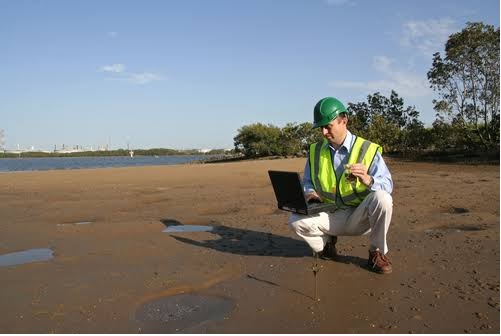
Responsible property development begins with a clear understanding of the environmental conditions beneath the surface. Groundwater plays an important role in maintaining environmental balance, supporting construction activities, and influencing long-term land usability. Evaluating groundwater conditions provides valuable information that helps property owners, developers, and project planners make informed decisions. Through professional Groundwater Analysis, development projects can benefit from improved environmental awareness, thoughtful planning, and sustainable land management.

Understanding Groundwater Conditions For Better Planning

Groundwater assessment provides essential information about underground water quality, movement, and surrounding environmental conditions. These insights help development professionals understand the characteristics of a property and identify opportunities for responsible land use.

A detailed evaluation supports several important planning objectives:

  • Understanding groundwater quality and existing environmental conditions.
  • Identifying potential contaminants through appropriate sampling and laboratory testing.
  • Evaluating groundwater depth and movement patterns.
  • Supporting informed decisions about construction suitability.
  • Establishing useful baseline information for future environmental monitoring.

Supporting Environmentally Responsible Development

Ii Environmental Assessments

Careful groundwater evaluation encourages development practices that prioritize environmental protection alongside project objectives. Reliable findings help professionals consider suitable construction approaches while maintaining awareness of underground water resources.

This information contributes to development planning through:

  • Better understanding of underground environmental conditions.
  • Improved consideration of water resource protection.
  • More informed site preparation and construction planning.
  • Effective identification of environmental management priorities.
  • Stronger support for sustainable property development goals.

Improving Property Evaluation And Investment Confidence

Environmental information is valuable when purchasing, redeveloping, or preparing land for new construction. Groundwater findings provide additional context that helps stakeholders understand property conditions and evaluate development opportunities with greater confidence.

Professional assessments can support:

  • More comprehensive environmental property evaluations.
  • Better-informed real estate investment decisions.
  • Clearer understanding of potential environmental considerations.
  • Improved communication between property owners and development professionals.
  • Greater confidence in long-term property planning.

Encouraging Effective Environmental Monitoring

Ongoing groundwater monitoring helps maintain a better understanding of environmental conditions throughout different development phases. Regular evaluations provide useful information that supports responsible resource management and helps property stakeholders maintain positive environmental outcomes.

Important monitoring benefits include:

  • Tracking changes in groundwater quality over time.
  • Evaluating the effectiveness of environmental management practices.
  • Supporting responsible water resource conservation.
  • Maintaining useful environmental records for future reference.
  • Encouraging consistent attention to long-term site conditions.

Strengthening Development Through Professional Assessments

Experienced environmental professionals use appropriate sampling techniques, laboratory analysis, and technical evaluations to provide dependable groundwater information. Their findings help stakeholders understand site characteristics and make practical decisions that support project objectives. A comprehensive assessment can also complement a https://www.geokinetics.com/california/phase-2-environmental-site-assessment/ when further investigation of subsurface environmental conditions is appropriate. Combining relevant environmental information creates a clearer foundation for property planning.

Promoting Sustainable Property Development

Responsible groundwater management contributes to healthier surroundings and more sustainable development opportunities. By considering underground water conditions during the planning process, property stakeholders can encourage thoughtful construction practices and support the lasting value of their investments.

With reliable Groundwater Analysis, informed decision-making becomes an important part of successful property development. Careful environmental evaluation, consistent monitoring, and professional guidance help create development projects that balance practical requirements with environmental responsibility. These efforts contribute to confident property planning, improved resource awareness, and a positive foundation for sustainable growth.

Copyright ©2026 . All Rights Reserved | Guillaumeprebois