
Reducing waste and protecting the environment are no longer optional goals for manufacturers—they are essential practices. Glass bottle manufacturing, when done responsibly, can align with both business performance and sustainability. By embracing clean production techniques, recycling systems, and energy-efficient technologies, glass manufacturers can significantly lower their environmental impact while still producing high-quality bottles. The shift toward greener practices is not only about meeting regulations; it is also about ensuring long-term value for customers and communities.
Responsible Practices in Glass Bottle Manufacturing
Glass is one of the few materials that can be recycled endlessly without loss in quality. Responsible manufacturers prioritize this feature and adopt closed-loop systems to reduce the use of raw materials and energy.
Key eco-friendly strategies include:
- Use of recycled glass cullet: Adding cullet reduces the need for raw materials like sand, soda ash, and limestone. It also melts at a lower temperature, cutting energy consumption.
- Energy-efficient furnaces: Modern furnaces reduce emissions and optimize energy use through better insulation and combustion controls.
- Water conservation systems: Reusing water in cooling and cleaning stages minimizes waste and supports resource conservation.
- Low-emission transportation: Streamlined logistics and local sourcing of raw materials help decrease carbon emissions from shipping and delivery.
Reducing Waste Across the Supply Chain
Minimizing waste is not limited to the factory floor. From design to delivery, responsible manufacturers rethink each step to eliminate unnecessary materials and reduce packaging waste.
Waste reduction methods include:
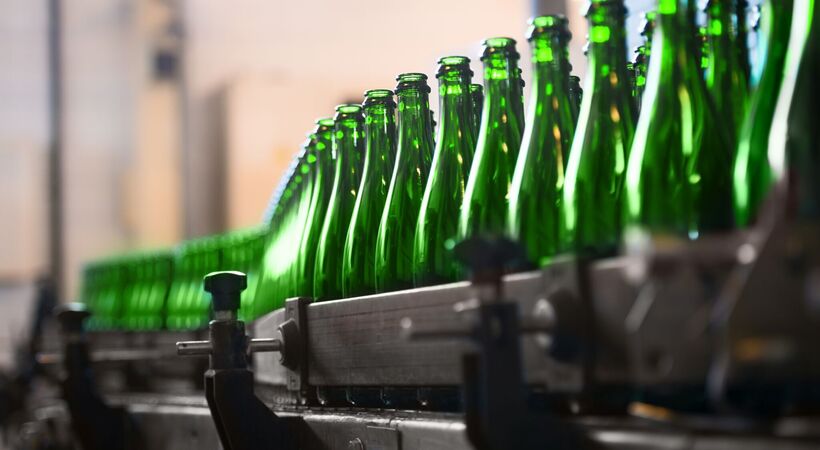
- Lightweight bottle designs: Using less glass per bottle without compromising strength or appearance.
- Eco-friendly packaging: Replacing plastic with recyclable or biodegradable materials.
- Precision manufacturing: Ensuring minimal product defects, which means fewer bottles are discarded or reprocessed.
- Batch optimization: Producing in optimized quantities to reduce overproduction and excess inventory.
Environmental Benefits and Business Value
Daxin glass bottle manufacturing offers benefits that go beyond just sustainability. It helps companies improve efficiency, reduce costs, and meet consumer expectations for environmentally conscious products.
Benefits at a glance:
- Lower energy bills through efficient operations
- Reduced landfill waste from reusable and recyclable products
- Improved brand reputation among eco-aware consumers
- Compliance with environmental regulations and certifications
- Opportunities for circular economy partnerships
Commitment to a Greener Future
Sustainable glass bottle production requires a clear commitment from manufacturers. It involves investment in technology, training, and partnerships with recycling firms. Transparency in environmental impact reporting and continuous improvement are also key.
Companies that prioritize environmental responsibility are not only helping the planet—they are also preparing for future market demands. Customers are increasingly choosing brands that reflect their values, and sustainability is at the heart of that shift.
Summary:
- Glass is 100% recyclable and ideal for sustainable production.
- Using cullet, energy-efficient equipment, and smart logistics reduces emissions and resource use.
- Waste is minimized through lighter designs, better packaging, and precise manufacturing.
- These practices lower costs, boost reputation, and ensure compliance.
- Responsible manufacturers are building a greener and more efficient future.
Adopting responsible practices in glass bottle manufacturing is both an environmental need and a smart business decision.