
A sparkling clean pool is a pleasure to swim in, but maintaining it can be time-consuming. That is where automatic pool cleaners come in. These smart devices are designed to clean debris, dirt, and algae from the pool floor, walls, and even waterline without constant manual work. Whether you own a backyard pool or manage a larger one, an automatic cleaner can be a reliable solution that saves both time and energy. With just a press of a button, you can let the cleaner handle the mess, so you spend less time cleaning and more time enjoying the water.
What Is an Automatic Pool Cleaner?
An automatic pool cleaner is a self-operating device that roams around the pool to remove dirt, leaves, sand, and other unwanted particles. It works without direct supervision, using suction, pressure, or robotic power depending on the type in nabvio.co.uk.
There are three main types of automatic pool cleaners:
- Suction-Side Cleaners: Use the pool’s existing filtration system to suck in debris.
- Pressure-Side Cleaners: Attach to the return jet and use water pressure to move and collect debris.
- Robotic Cleaners: Powered by electricity and operate independently with their own filter system.
Each type has its own benefits, depending on pool size, shape, and cleaning needs.
Why Use an Automatic Pool Cleaner?
These devices help reduce manual labor while keeping your pool fresh and inviting.
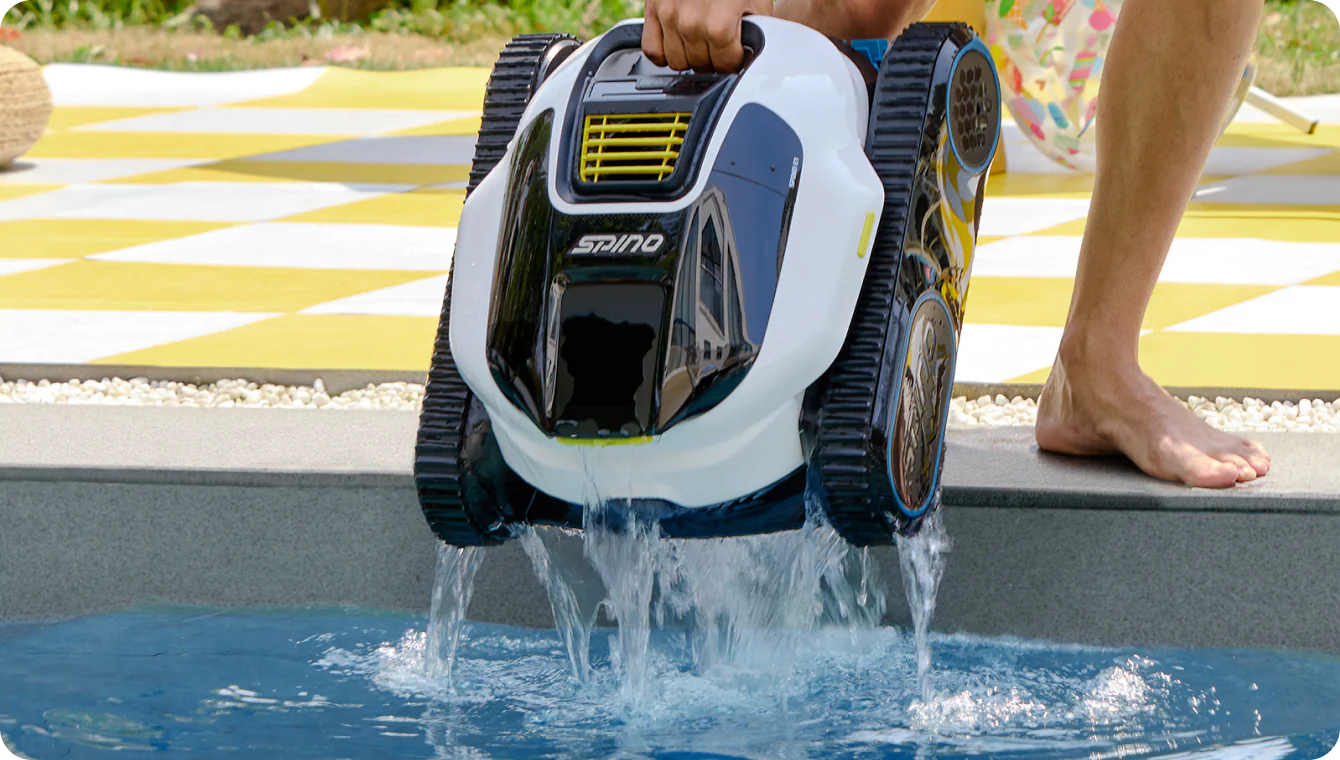
Key advantages include:
- Time-Saving: Let the cleaner handle dirt while you relax.
- Energy-Efficient: Many models use minimal power and smart navigation to cover more area efficiently.
- Thorough Cleaning: Reaches pool floors, walls, and waterline areas with ease.
- Easy Maintenance: Filters and bags are easy to clean and reuse.
- Reduces Chemical Use: Clean water needs fewer chemical treatments, saving money in the long run.
Things to Consider Before Buying
Choosing the right automatic cleaner means understanding your pool’s needs.
Here are a few simple points to check:
- Pool Size and Shape: Make sure the cleaner is suitable for your pool dimensions.
- Debris Type: If your pool often gets large leaves, choose a model with strong suction or large filter bags.
- Surface Type: Some cleaners work better on tile, vinyl, or concrete.
- Ease of Use: Look for features like plug-and-play setup or remote control.
- Filter Type: Consider how easy it is to empty and clean the filters.
How to Get the Best Results
Using an automatic pool cleaner is simple, but a few steps can improve efficiency:
- Brush the pool walls occasionally to loosen tough dirt.
- Run the cleaner regularly, especially during heavy usage or after storms.
- Check and clean filters after each use to maintain performance.
- Store the device in a shaded, dry area when not in use.
Automatic pool cleaners make pool maintenance less of a chore and more of a breeze. With the right model, you can enjoy clear, healthy water every day without lifting a net. Just set it up, let it run, and dive into a fresh, clean pool anytime.