
If you’re thinking about buying a property (or just want to know what’s lurking behind your walls!), there are a handful of issues that pop up again and again during building and pest inspections. Here are the big seven:
- Hidden Moisture & Water Damage
- Foundation & Structural Cracks
- Pest Infestations & Damage
- Roof & Gutter Failures
- Ventilation & Humidity Gaps
- Electrical System Hazards
- HVAC & Plumbing Issues
Let’s break these down—with tips on what to look for and what you should do if you spot trouble!
- Hidden Moisture & Water Damage
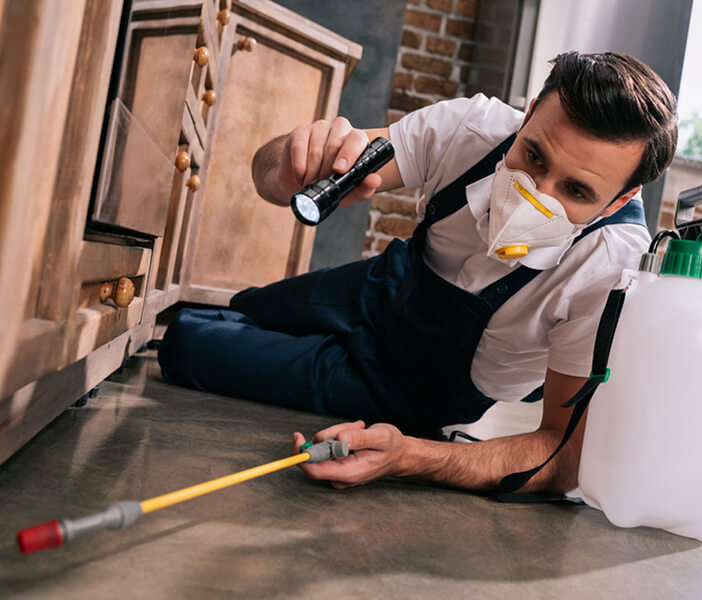
This one’s a ninja. Water damage is often out of sight—behind walls, under floors, or around plumbing. Here’s what to watch for:
– Sneaky Signs: Stains, warped surfaces, musty smells, or dampness where it shouldn’t be.
– Why it matters: Moisture can rot wood, destroy insulation, and invite mold (not fun).
– Check for: Leaks, condensation, and poor ventilation making things worse.
– Pro tip: Use moisture meters if you have one, and always investigate the source of any dampness—not just the symptoms.
For expert help or more information, visit https://www.houseflybuildingandpest.com.au/.
- Foundation & Structural Cracks
A few hairline cracks? Usually not a big deal. But some cracks signal real trouble.
– Serious cracks: Look for wide, diagonal, or stair-step cracks—these could point to shifting, settling, or soil issues.
– What to check: Are the cracks getting bigger? Do doors and windows stick nearby?
– Next steps: Take photos, measure the crack width, and if you’re worried, call in a structural pro. Sometimes, it’s just cosmetic, but sometimes you need repairs ASAP.
- Pest Infestations & Damage
Termites, rats, cockroaches—yikes. These critters are not just gross, they can cause serious damage.
– Look for: Chewed wood, droppings, hollow-sounding spots, odd smells, or gnawed wires.
– Hot spots: Kitchens, basements, crawl spaces, and around the foundation.
– What to do: Seal up entry points (gaps around pipes, vents, etc.), and if you find damage, work with pest control and possibly a builder to fix the problem.
– Bonus: Take pics and notes—helps with repairs and pest treatment.
- Roof & Gutter Failures
A leaky roof might start small, but it can turn into a disaster if ignored.
– Trouble signs: Missing shingles, curled edges, cracked or blistered roofing, and rusty flashing.
– Gutters: Watch out for sagging gutters, clogs, and downspouts dumping water near the foundation.
– Inspect: Look for mold, stains, and peeling paint—these often mean leaks.
– Fix it: Clean out the gutters, repair damaged spots, and check for proper drainage.
- Ventilation & Humidity Gaps
Ever walk into a bathroom that smells… damp? That’s a ventilation problem.
– Problem areas: Bathrooms, kitchens, and laundry rooms are humidity hotspots.
– Why it matters: Poor airflow leads to mold, rot, and even pest issues.
– What to check: Make sure vents aren’t blocked and actually vent outside (not into the attic!).
– Quick tips:
– Use exhaust fans with humidity sensors.
– Seal up gaps around windows and doors.
– Regularly monitor humidity levels.
– Don’t guess—use a cheap humidity meter!
- Electrical System Hazards
Electricity is great—unless it’s trying to kill you.
– Red flags: Exposed wires, overloaded outlets, extension cords used as permanent wiring, buzzing outlets, or scorch marks.
– Panel check: Make sure the electrical panel is accessible, labeled, dry, and not rusty.
– DIY nightmares: Watch out for amateur wiring jobs—you want everything up to code.
– What to do: If you spot anything sketchy, get a licensed electrician to take a look before moving in.
- HVAC & Plumbing Issues
These systems are the unsung heroes of home comfort—but when they go wrong, you’ll know it.
– HVAC trouble: Uneven cooling/heating, short cycling (turning on and off a lot), or weird noises. Could be dirty filters, leaky ducts, or old parts.
– Plumbing clues: Leaks, rust, water stains, or slow drains. Even small leaks waste water and can lead to mold.
– Inspect: Check water heaters, shutoff valves, and look for signs of corrosion.
– Action steps: Regular maintenance is key—don’t wait for something to break!
Bottom line:
Most of these issues start out small and grow if ignored. If you spot any of these problems during your inspection, don’t panic—just take notes, get professional advice if needed, and tackle repairs before they snowball.
A well-inspected home is a safer, more comfortable investment. Happy house hunting! 🏡