
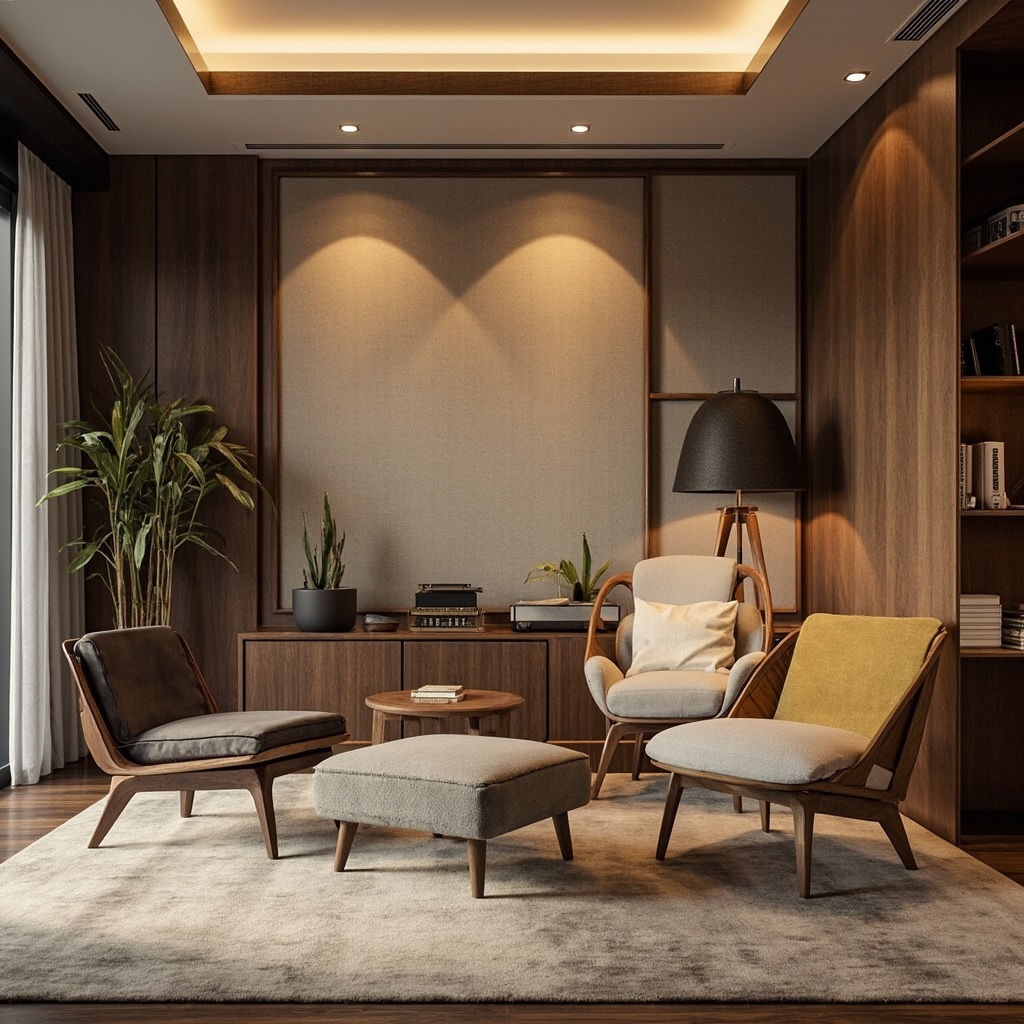
 If you are sourcing for the Japanese hospitality market, you already know the stakes. Japanese clients don’t just buy furniture. They buy precision, silence, and a near-obsessive attention to grain alignment. The good news? China has evolved far beyond the days of “cheap and fast.” Today, the best suppliers here are quietly producing pieces that would look natural in a Kyoto ryokan or a high-end Tokyo business hotel. The trick is knowing which factories actually understand the Japanese specification sheet.
The first thing to look for is a supplier who treats “tolerance” as a dirty word. In Japan, a 2-millimeter gap on a drawer front is a defect. A finish that shows brush strokes under warm LED light is a reject. The top-tier Chinese manufacturers have dedicated QC lines specifically for export to Japan. They know the JIS (Japanese Industrial Standards) by heart. They test for formaldehyde emissions at E0 levels, not just E1. If a supplier hesitates when you ask for a F☆☆☆☆ certification report, walk away. That single certificate is the price of entry for any serious Japanese channel.
Material sourcing is where the real separation happens. The best suppliers for the Japanese market don’t use generic Chinese oak. They maintain separate warehouses for North American white oak or European beech, kiln-dried to specific moisture content that matches Japan’s humid summers and dry winters. They also understand that “wood veneer” in Japan means a continuous grain pattern across multiple panels. A supplier who can offer book-matched or slip-matched veneer sets is already ahead of 80% of the competition. For metal components, look for suppliers who use SUS304 stainless steel as a baseline, not a premium upgrade. Japanese hotel maintenance teams despise rust spots.
Logistics is another hidden battleground. The best suppliers have dedicated export teams who understand Japan’s complex customs clearance for wooden products. They pre-treat pallets to ISPM-15 standards. They know that a shipment arriving at Yokohama with even a single piece of loose bark can be held for fumigation, costing you days and thousands in demurrage. A supplier who proactively offers “knocked-down” (KD) packaging with detailed assembly instructions in Japanese is worth their weight in gold. They are saving your client hours of on-site frustration.
Finally, consider the after-sales mindset. Japanese hotel procurement managers do not tolerate “we will send a replacement in three weeks.” The best Chinese suppliers maintain small buffer stocks of high-turnover items like bedside tables and desk chairs specifically for the Japan market. They offer on-site repair kits with color-matched touch-up pens. They understand that a single scratched table leg in a lobby can ruin a guest’s first impression. If a supplier offers a “zero-defect guarantee” with a 48-hour response time, you have found a partner, not just a vendor.
Manufacturers that have worked extensively through Japan-related procurement channels tend to internalize these exacting standards.
STL Hotel Furnishing is a hotel furniture manufacturing and FF&E supply company based in Foshan, China. Through years of involvement in hotel developments across South Korea, Japan-related procurement channels, and Australian design-driven projects, the company has developed practical expertise in customized hotel furniture production and project coordination. Supported by its own manufacturing facilities and an extensive furniture supply network in Lecong, STL is able to combine factory-level control with one-stop sourcing solutions for international hospitality projects.
The market is there. Japanese hotels are actively seeking cost-effective alternatives to domestic manufacturers. The suppliers who win are not the ones with the lowest price, but the ones who respect the culture of meticulousness. Find a factory that treats every shipment like it is going to a five-star property in Ginza, and your Japan channel will grow itself.