
If you have never needed an emergency repair before, the process can feel daunting. You may be worried about how long someone will take, how much it will cost and whether you can trust the person who arrives. Knowing what normally happens, step by step, makes the experience far less stressful and helps you to spot anything that does not seem right. Here is what to expect, from the first phone call to the final invoice.
What to say on the first call
The first call sets the tone for everything that follows. Whether you are speaking to a business such as Apex Emergency Repairs or any other provider, a good call handler will ask clear questions to understand the problem and judge how urgent it is. Stay calm and give clear, factual answers.
Be ready to explain:
- Your name, address and contact number.
- What has happened, when it started and whether it is getting worse.
- Whether anyone is at risk or the property is unsafe.
- What you have done so far, such as turning off the water or electricity.
- Any relevant details about the system, such as the make of a boiler or the age of the consumer unit.
If there is a danger to life, such as a fire or a strong smell of gas, ring 999 or the National Gas Emergency Service on 0800 111 999 first, then call a repair service.
Arrival times and what affects them
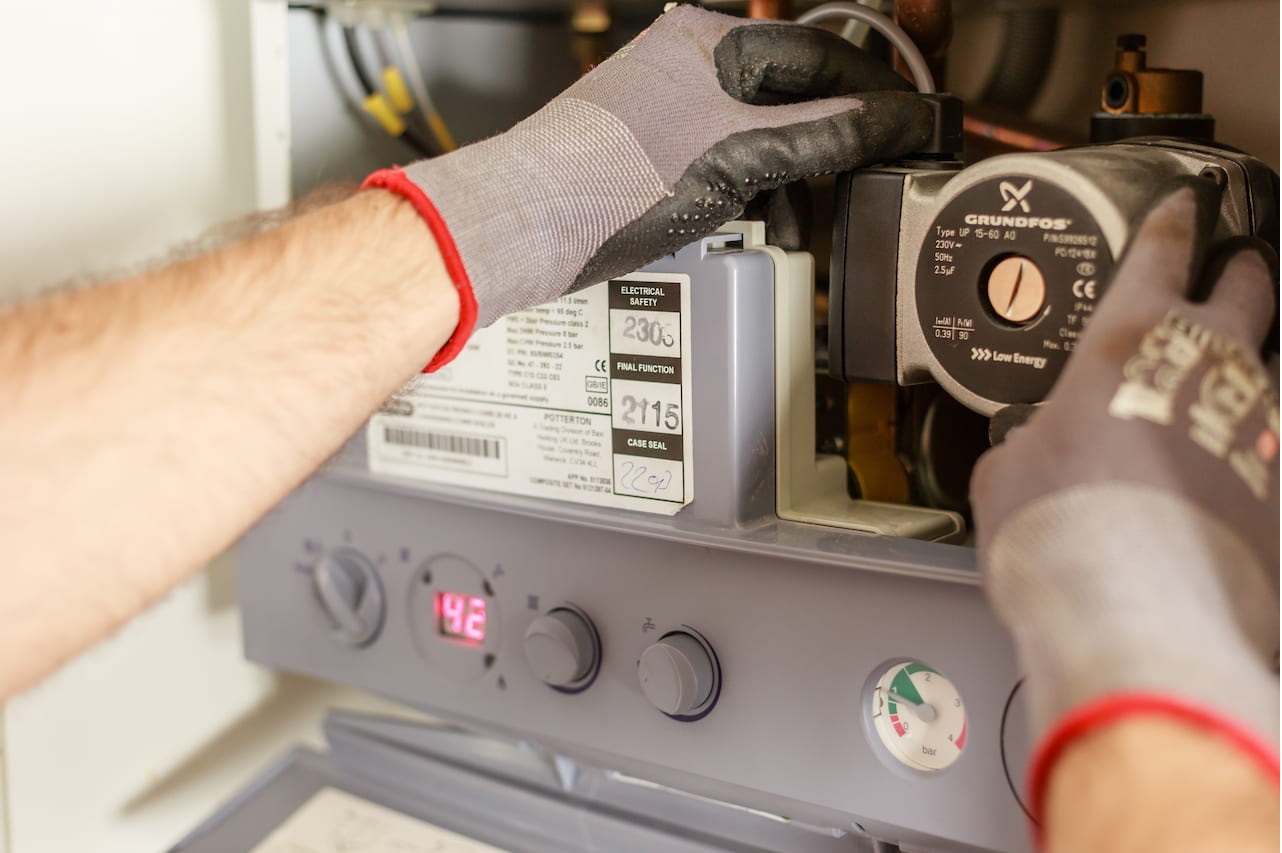
Most providers will give you an estimated arrival window. It depends on several things:
- How busy they are, as bad weather often leads to a surge in call outs.
- How far the engineer has to travel.
- How urgent your situation is compared with other jobs.
- Whether it is a normal working hour or the middle of the night.
- Whether the engineer needs to collect specialist parts.
A reputable company will be honest about the time and keep you updated if there is a delay. Be wary of anyone who promises an impossibly quick arrival and then fails to show up. When you are waiting, keep the area safe, make sure access is clear and keep your phone close in case the engineer needs to contact you.
Call-out fees, labour and parts
Costs are the biggest worry for most people. Emergency work usually costs more than a standard booking, because of the speed and the out-of-hours availability. Charges are typically made up of several parts:
- A call-out fee, which covers travel and the initial assessment. Some firms include the first period of labour in this fee.
- Labour, charged either by the hour or as a fixed price for the job.
- Parts and materials, which may be charged at cost or with a mark-up.
- Extra charges, for example for work at night, weekends or bank holidays.
Ask about all of these before the engineer travels. A trustworthy provider should explain how pricing works, give an indication of the likely cost and tell you if it is likely to change once they see the problem.
The visit: assessment, temporary fix, full repair
When the engineer arrives, they should introduce themselves, show identification if you ask and explain what they are going to do. A typical visit follows these stages:
- The engineer finds the cause and checks that the property is safe.
- Making safe. They isolate the fault, for example by shutting off the supply or disconnecting a faulty circuit.
- Temporary or permanent repair. Where the right part is on the van and the job is simple, they may finish it there and then. In other cases, they may make a temporary fix and return with parts.
- The engineer checks that the system works and is safe.
- They should tell you what they found, what they did and whether more work is needed.
Do not feel pressured into agreeing to extra work on the spot. If they recommend further repairs, ask for a written quote and take time to consider it, unless the issue is a genuine safety risk.
Getting a clear quote and paperwork
Before any work begins, ask for the price in writing, even if it is a text message or email. It should state what is included and any conditions. Afterwards, you should receive:
- An itemised invoice showing labour, parts and any call-out fee.
- Certificates where required, such as a Gas Safe record for gas work or an electrical certificate for notifiable electrical work.
- Details of any guarantee or warranty on the repair.
- A receipt, which you will need for any insurance claim.
Keep all of these documents safe, together with photos of the damage and the finished repair.
Red flags to watch for
Unfortunately, emergencies attract a small number of rogue traders who take advantage of people under pressure. Warning signs include:
- Refusing to give any indication of price before starting.
- A price that rises sharply once work has begun, with no clear reason.
- Demanding full payment in cash before the job is done.
- No identification, company name or vehicle markings.
- No registration for work that requires it, such as Gas Safe for gas.
- Pressuring you to sign quickly or to agree to unnecessary extra work.
Before you agree to anything, check registrations. You can verify a gas engineer on the Gas Safe Register website or by calling 0800 408 5500, and electricians often belong to schemes such as NICEIC or NAPIT. Check any claims with the relevant body. Also look at reviews, but read them critically, as they can be unreliable.
Calling for emergency help does not have to be frightening. Give clear information, ask about costs, expect a professional assessment and make sure you get the paperwork afterwards. If something does not feel right, it is fine to pause and ask questions. A good provider will welcome them.