
Automated equipment depends on accurate movement, consistent fluid regulation, and coordinated operations to achieve productive results. Every component contributes to maintaining smooth performance, and fluid control plays an important role in this process. Properties holds in https://www.vincervalve.com/what-is-a-solenoid-valve/ provides an effective way to control the movement of liquids and gases through electrically operated mechanisms. By responding to electrical signals, these valves support automated processes, improve operational consistency, and help equipment perform its intended functions with greater precision.
1. Supporting Accurate Automated Control
Precision is essential for equipment that performs repeated tasks. Solenoid valves help maintain controlled fluid movement by opening or closing passages according to electrical commands.
- Quick Response: Electrical activation allows valves to respond promptly to control signals.
- Consistent Operation: Reliable switching supports repeatable equipment movements and processes.
- Accurate Flow Regulation: Controlled fluid passage helps maintain suitable operating conditions.
- Coordinated Functions: Valves work alongside automated components to support synchronized activities.
- Reduced Manual Intervention: Electrical control allows systems to manage fluid movement without continuous manual operation.
These capabilities contribute to organized workflows and dependable equipment performance across different applications.
2. Improving Operational Efficiency
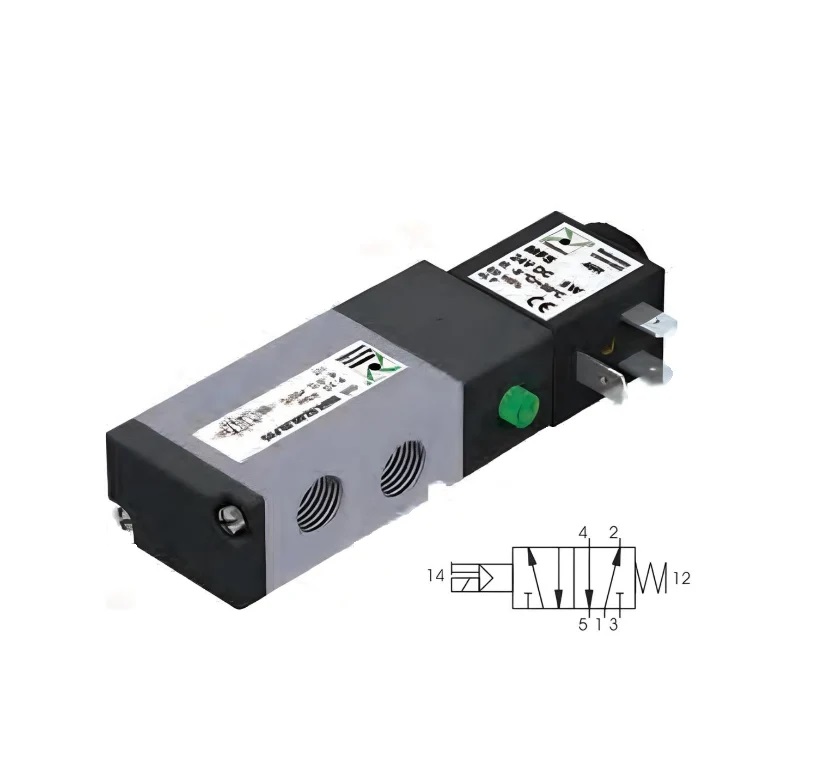
Efficient equipment operation requires components that support smooth performance while making effective use of available resources. Solenoid valves contribute through responsive operation and practical integration.
- Controlled Fluid Usage: Accurate switching helps deliver fluid when particular operations require it.
- Faster Process Cycles: Responsive activation supports timely completion of automated sequences.
- Compact Construction: Various designs accommodate different equipment layouts and installation requirements.
- Energy-Conscious Performance: Appropriate valve selection helps systems manage electrical and fluid requirements effectively.
- Simplified Automation: Electrical connections make integration with control arrangements more convenient.
Together, these advantages help equipment maintain productive operating cycles and organized performance.
3. Enhancing Equipment Reliability
Reliable components support long-term operational stability and help automated machinery maintain consistent results. Selecting suitable solenoid valves according to application requirements strengthens overall system performance.
Important considerations include:
- Material Compatibility: Choosing appropriate materials supports dependable operation with different fluids.
- Pressure Requirements: Matching pressure ratings helps maintain suitable operating conditions.
- Temperature Tolerance: Selecting valves for expected temperatures supports consistent functionality.
- Maintenance Accessibility: Practical designs make routine inspection and servicing more convenient.
- Quality Construction: Well-designed components contribute to stable operation throughout regular equipment cycles.
Proper installation and periodic maintenance further support dependable performance.
4. Expanding Automation Applications
Solenoid valves contribute to numerous automated equipment arrangements because their electrical operation supports different control requirements.
Common applications include:
- Packaging Equipment: Managing pneumatic movements during product handling and packaging operations.
- Manufacturing Machinery: Supporting controlled fluid delivery within automated production processes.
- Water Management Systems: Regulating liquid movement through electrically controlled passages.
- Pneumatic Equipment: Directing compressed air to support mechanical movements.
- Cleaning Equipment: Controlling water and cleaning fluid distribution during programmed cycles.
Their adaptable functionality makes them valuable components in equipment designed for consistent and coordinated operations.
Building Better Automated Performance
Solenoid valves play an important role in improving automation through precise switching, dependable fluid regulation, and convenient electrical control. Their ability to support coordinated movements and efficient operating cycles makes them valuable across many equipment applications. Understanding suitable designs, operating requirements, and maintenance practices helps create reliable fluid control arrangements. Exploring additional product information through https://www.vincervalve.com/es/ can also support informed decisions when selecting suitable valve solutions. With appropriate integration, solenoid valves help automated equipment achieve smooth operation, consistent output, and lasting performance.