
Creating sustainable building environments requires thoughtful planning, effective engineering, and reliable protection strategies. Professional mitigation approaches help maintain healthier indoor conditions while supporting long-term building performance. By combining modern technologies with environmentally conscious practices, construction projects can achieve improved safety, durability, and operational efficiency. Effective vapor management also contributes to responsible development by reducing unwanted subsurface movement and supporting better indoor air quality. These solutions encourage a balanced approach to environmental protection and sustainable construction.
Understanding the Importance of Professional Mitigation
Professional mitigation strategies provide structured methods for managing environmental conditions beneath and around buildings. Careful assessments help identify potential concerns and establish suitable preventive measures.
Key benefits include:
- Supporting healthier indoor environments through effective vapor management.
- Improving building protection with carefully planned engineering systems.
- Encouraging sustainable construction through environmentally responsible practices.
- Reducing unwanted vapor movement with reliable protective barriers.
- Strengthening long-term building performance through proactive maintenance.
- Supporting comfortable indoor spaces with improved air quality management.
These measures create valuable foundations for buildings designed to deliver lasting environmental and operational benefits.
Advanced Technologies for Effective Protection
Modern engineering developments have introduced innovative approaches to environmental mitigation. Improved materials, monitoring equipment, and installation techniques allow professionals to develop solutions that address different building requirements.
Important technological advancements include:
- High-performance barrier materials designed for dependable vapor resistance.
- Advanced ventilation systems that encourage controlled airflow.
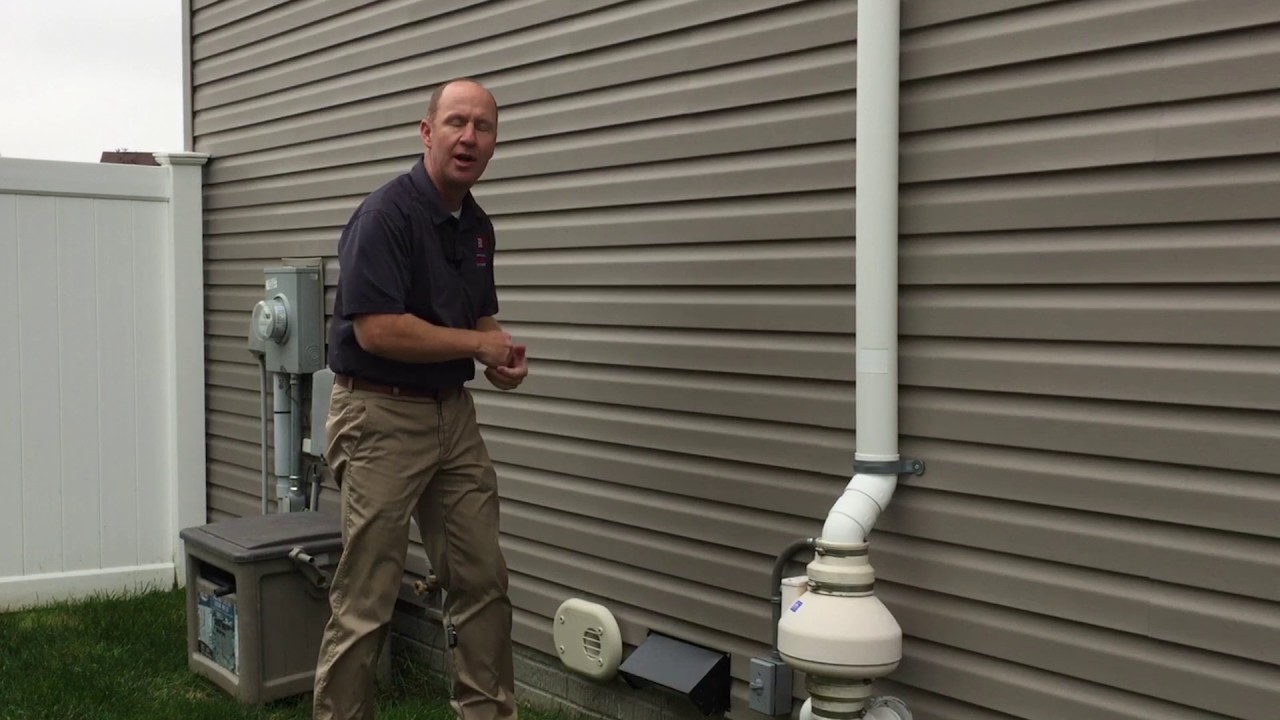
- Subsurface depressurization methods that help manage vapor movement.
- Continuous monitoring technologies that support informed maintenance decisions.
- Improved sealing techniques that strengthen foundation protection.
- Integrated system designs that promote consistent environmental performance.
Combining these technologies allows mitigation systems to provide dependable protection while supporting sustainable building objectives.
Sustainable Practices in Mitigation Projects
Environmental responsibility remains an important consideration throughout construction and building improvement projects. Sustainable mitigation practices focus on material efficiency, reduced resource consumption, and long-lasting performance. Professionals can learn more about emerging methods to identify practical approaches that align environmental protection with modern construction requirements.
Valuable sustainable practices include:
- Selecting durable materials that support extended system performance.
- Minimizing unnecessary material waste during installation.
- Incorporating energy-conscious ventilation solutions where appropriate.
- Planning maintenance schedules to preserve system efficiency.
- Evaluating environmental conditions before selecting mitigation methods.
- Encouraging responsible resource management throughout project development.
These practices support efficient construction processes while contributing to healthier and more resilient indoor environments.
Professional Planning for Long-Term Building Performance
Successful mitigation depends on coordinated planning, technical knowledge, and consistent evaluation. Professional teams consider building design, foundation conditions, environmental assessments, and operational requirements before implementing suitable protection measures. A well-organized approach helps ensure that every component contributes to the intended outcome. Regular inspections also provide opportunities to evaluate system performance and identify improvements when necessary.
Essential planning considerations include:
- Conducting detailed site and foundation assessments.
- Choosing mitigation methods according to project requirements.
- Ensuring accurate installation and appropriate system integration.
- Monitoring performance through scheduled evaluations.
- Maintaining protective components for dependable operation.
- Adapting strategies as building requirements evolve.
Building a Healthier and More Sustainable Future
Professional mitigation strategies contribute significantly to sustainable building environments by combining reliable protection with responsible engineering. Through innovative technologies, thoughtful material selection, and consistent maintenance, buildings can achieve improved indoor conditions and lasting performance. Prioritizing effective mitigation encourages healthier spaces, supports environmental responsibility, and creates stronger foundations for sustainable development.