
The metal fabrication industry is undergoing a significant transformation, driven largely by advancements in robotics and automation. As manufacturers seek to improve efficiency, precision, and safety, the integration of robotic technology has become a pivotal factor in reshaping traditional fabrication processes. The future of robotics in metal fabrication promises not only enhanced production capabilities but also the potential to redefine the industry’s workforce and operational methodologies. One of the most notable developments is the increasing adoption of collaborative robots, or cobots. These robots are designed to work alongside human operators, augmenting their capabilities rather than replacing them. Cobots can handle repetitive tasks such as welding, cutting, and assembly with high precision, allowing human workers to focus on more complex and creative aspects of fabrication. This collaboration leads to increased productivity and reduces the risk of workplace injuries associated with hazardous tasks.
Advancements in artificial intelligence and machine learning are also playing a critical role. Robots equipped with AI can adapt to variations in the manufacturing process, learning from data to improve their performance over time. This adaptability is particularly valuable in custom fabrication, where variability is high, and traditional automation falls short. AI-driven robots can make real-time adjustments, ensuring consistent quality even in small batch productions. The integration of robotics with the Internet of Things Iota is set to further revolutionize metal fabrication. Connected robots can communicate with other machines and systems within a facility, enabling synchronized operations and real-time monitoring. This connectivity facilitates predictive maintenance, as sensors can detect wear and tear or potential failures before they occur, minimizing downtime and extending the lifespan of equipment. Another promising development is the use of robotic systems in additive manufacturing, specifically metal 3D printing. Robots can manage the intricate processes involved in layering metal powders and controlling laser sintering, making metal 3D printing more accessible and efficient.
While the technological advancements are impressive, they also raise questions about the future workforce in metal fabrication. As robots take on more tasks, there is a growing need for skilled workers who can program, maintain, and manage these advanced systems. This shift necessitates investment in training and education to equip the existing workforce with the necessary skills. Rather than eliminating jobs, robotics is expected to create new roles focused on oversight and optimization of automated systems. Sustainability is another area where robotics can make a significant impact. Automated systems can optimize material usage and reduce waste through precise operations. Energy-efficient robots contribute to lower overall energy consumption in manufacturing facilities. In conclusion, the future of robotics in metal fabrication is poised to bring about profound changes that will enhance efficiency, precision, and safety. The convergence of robotics with AI, Iota, and additive manufacturing technologies is setting the stage for a new era in metal fabrication. Embracing these advancements will require adaptation and learning but offers substantial rewards in terms of productivity and innovation. As the industry evolves, the successful integration of robotics will be a defining factor in maintaining competitiveness in the global market.
 This involves gathering all the necessary evidence, including accident reports, medical bills, photographs, and expert witness testimony if needed. This phase is critical because the more solid evidence you have, the stronger your case will be. Your lawyer will also help you understand the statute of limitations how much time you have to file your claim, which varies depending on your location and the nature of your injury. Once the investigation is complete, the attorney will file a claim with the at-fault party’s insurance company or directly in court if necessary. This claim outlines your injuries, how they occurred, and the compensation you are seeking for medical bills, lost wages, pain and suffering, and other damages. A significant portion of personal injury claims are resolved during the negotiation phase with insurance companies. After receiving your claim, the insurance company will evaluate your case and likely offer a settlement. Insurance adjusters may try to minimize payouts, so having an experienced attorney is critical during this phase.
 Regular exercise not only burns calories but also helps build muscle mass, which can increase metabolism. Finding enjoyable activities, whether it is walking, swimming, dancing, or joining a fitness class, can make it easier to stay committed. The recommendation for adults is at least 150 minutes of moderate-intensity aerobic activity each week, combined with strength-training exercises on two or more days. Setting up a consistent exercise schedule can promote adherence and lead to better results. Behavioral changes are also an important component of weight loss management. Identifying triggers that lead to overeating or unhealthy food choices can help individuals develop strategies to overcome them and see here
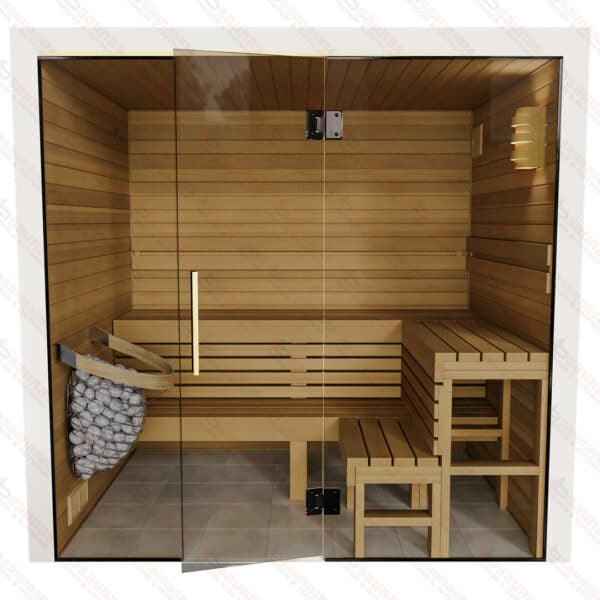 One of the standout advantages of a premium indoor sauna kit is the health benefits it offers. Regular sauna sessions can boost cardiovascular health, improve circulation, and aid in muscle recovery, making them ideal for individuals leading active lifestyles. The heat generated in a sauna raises your heart rate, promoting better blood flow and encouraging the release of toxins through sweat. This process not only helps in detoxification but also strengthens the immune system over time and check over here

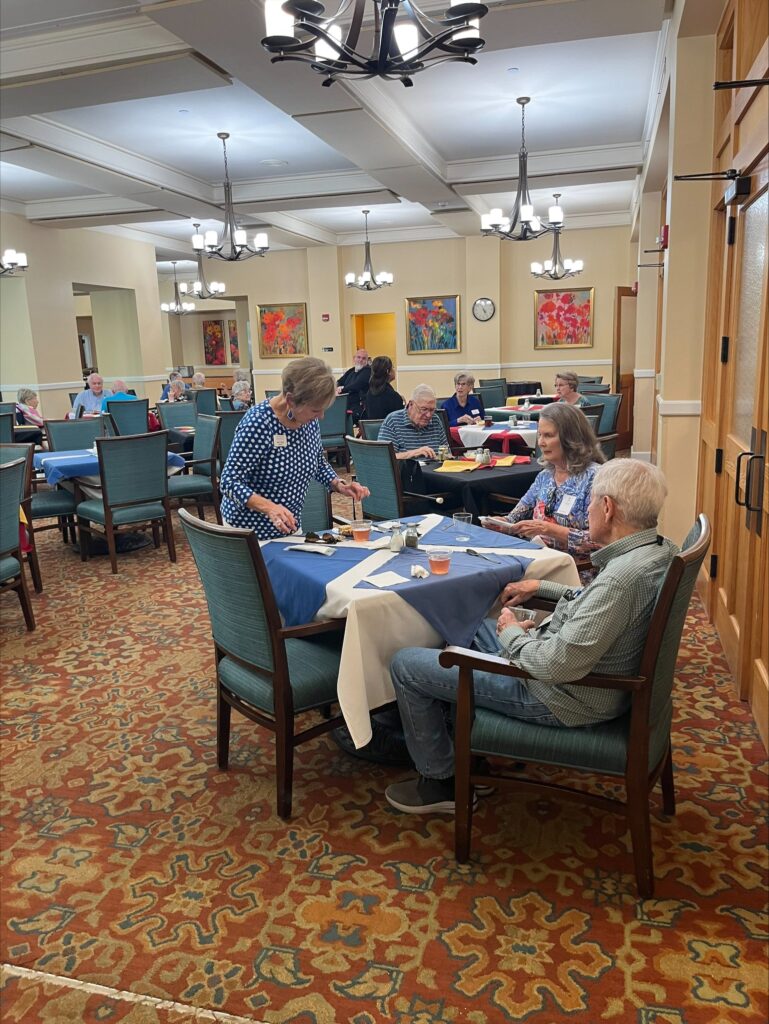 For seniors who require a bit more assistance with daily activities, assisted living communities are a suitable option. These communities provide help with tasks such as bathing, dressing, and medication management, while still encouraging independence. Assisted living facilities are designed to offer a balance between support and freedom, enabling residents to live comfortably while receiving personalized care tailored to their needs. When the level of care needed becomes more intensive, memory care units come into play. These specialized facilities cater to individuals with Alzheimer’s disease or other forms of dementia. Memory care units are equipped with secure environments and staff trained specifically to manage the challenges associated with cognitive decline. The focus here is on providing a safe, structured setting that promotes cognitive function and quality of life through tailored activities and therapeutic interventions. These facilities offer 24/7 medical supervision and support from licensed nurses and healthcare professionals.