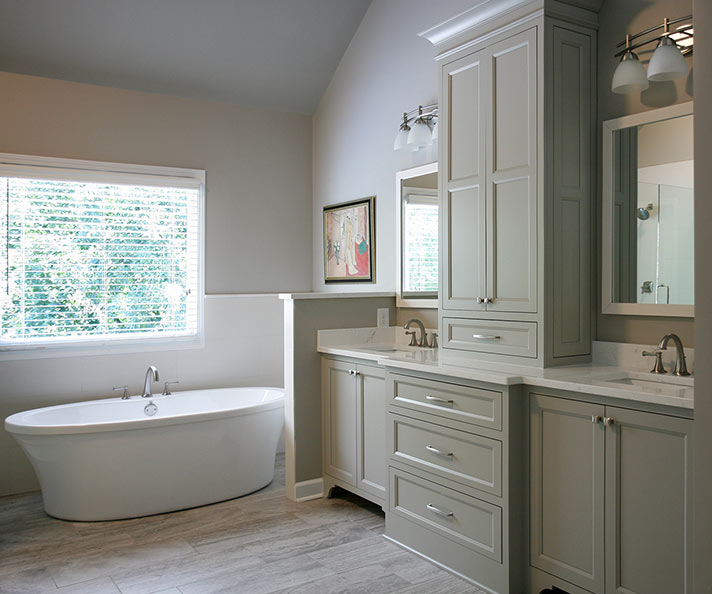
Creating a home is more than putting up walls and a roof. It is about building a space that matches your lifestyle, reflects your taste, and supports your future. To achieve this, you need experienced professionals who offer not only skilled craftsmanship but also dependable advice every step of the way. A well-constructed home starts with a clear vision, and that vision becomes reality when you have the right people helping you. With trusted guidance and flawless techniques, building the house you deserve becomes a smooth, rewarding journey.
Why Trusted Guidance Matters
Building a home can be overwhelming without proper support. There are countless decisions to make, from layout to materials to finishing touches. Having a knowledgeable team to guide you ensures these choices are practical, budget-friendly, and aligned with your goals.
Trusted guidance offers:
- Clear communication throughout the project
- Help in planning your budget and timeline
- Expert advice on materials, design, and structure
- Confidence in every decision you make
A reliable builder listens carefully, understands your preferences, and brings years of experience to guide your project in the right direction.

Flawless Crafting Techniques Make the Difference
Expert craftsmanship turns good plans into great results. Flawless building techniques mean your home would not just look good it will be solid, safe, and built to last. Skilled home builders ottawa pay attention to every detail, from foundation to finishes, ensuring high quality at each stage.
Key aspects of expert craftsmanship include:
- Strong structural integrity for safety and durability
- Precise installation of fixtures and fittings
- High-quality finishes for long-term value
- Use of modern tools and proven methods
Such precision ensures your home not only meets your expectations but also exceeds them in terms of comfort and functionality.
Bringing Your Dream Home to Life
A house should feel like home from the moment you step in. That is only possible when the design reflects your needs and the workmanship supports everyday living. A trusted building team will always prioritize your vision and make sure every part of your home is built with care.
What to expect when working with skilled professionals:
- A detailed plan that covers every phase of construction
- Regular updates and transparency
- Custom solutions to match your lifestyle
- A focus on energy efficiency and sustainability
With the right team, your ideas are respected, and your questions are answered clearly, helping you stay involved and informed.
The End Result: A Home You Truly Deserve
Building a home is a major investment, not just of money but of dreams. That is why it is important to choose experts who treat your project like it is their own. When experienced builders combine trusted guidance with flawless techniques, the result is a home that stands the test of time.
Summary of key points:
- Trusted guidance leads to smarter decisions
- Flawless techniques ensure quality and durability
- Clear communication helps avoid costly mistakes
- Expert teams turn visions into real, livable homes
Choose a team that values quality, transparency, and your satisfaction. That is how you build the house you truly deserve.





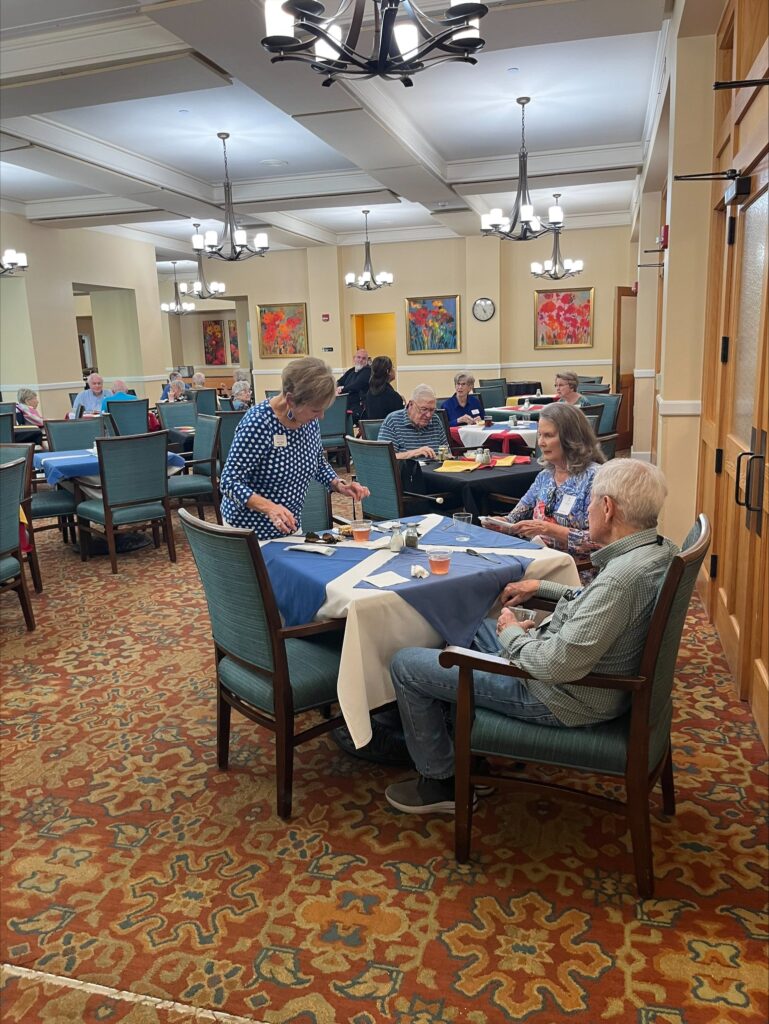 For seniors who require a bit more assistance with daily activities, assisted living communities are a suitable option. These communities provide help with tasks such as bathing, dressing, and medication management, while still encouraging independence. Assisted living facilities are designed to offer a balance between support and freedom, enabling residents to live comfortably while receiving personalized care tailored to their needs. When the level of care needed becomes more intensive, memory care units come into play. These specialized facilities cater to individuals with Alzheimer’s disease or other forms of dementia. Memory care units are equipped with secure environments and staff trained specifically to manage the challenges associated with cognitive decline. The focus here is on providing a safe, structured setting that promotes cognitive function and quality of life through tailored activities and therapeutic interventions. These facilities offer 24/7 medical supervision and support from licensed nurses and healthcare professionals.