Modern Fence Installations Transform Yards Into Secure Outdoor Spaces

A well-designed fence brings beauty, privacy, and security together, creating an outdoor environment that feels comfortable and welcoming. Modern fence installations offer homeowners an excellent opportunity to improve their yards while establishing clear property boundaries. With attractive materials, thoughtful designs, and professional workmanship, a quality fence can transform an ordinary outdoor area into a functional and enjoyable space. Carefully planned learn more at Alco Fence solutions help create lasting outdoor improvements that complement different architectural styles and landscaping preferences.

Enhance Outdoor Security With Modern Fence Designs

A thoughtfully installed fence provides a reliable boundary while creating a comfortable atmosphere for everyday outdoor activities. Modern designs combine appealing appearances with practical features that support a secure residential environment.

  • Establishes clear and attractive property boundaries.
  • Creates a comfortable setting for outdoor family activities.
  • Provides additional privacy for relaxing and entertaining.
  • Supports a secure environment for children and pets.
  • Complements existing landscaping and exterior architecture.

Choose Materials That Deliver Lasting Quality

Material selection plays an important role in the appearance, strength, and longevity of a fencing installation. Modern options offer attractive finishes and practical qualities, allowing homeowners to select designs that suit their outdoor requirements.

Popular fencing materials include:

  • Wood fencing: Brings natural warmth and timeless character to residential landscapes.
  • Vinyl fencing: Offers a clean appearance with convenient maintenance requirements.
  • Aluminum fencing: Creates an elegant finish with a lightweight and durable structure.
  • Steel fencing: Provides a strong appearance with excellent structural appeal.
  • Composite fencing: Combines attractive textures with practical everyday performance.

Improve Privacy And Outdoor Comfort

Privacy is an important part of creating an enjoyable residential yard. A suitable fence establishes a comfortable separation from surrounding spaces while making outdoor areas more inviting for personal activities and social gatherings.

Modern privacy fencing offers several appealing advantages, including:

  • Creates peaceful surroundings for outdoor relaxation.
  • Defines dedicated spaces for gardening and recreation.
  • Makes patios and seating areas feel more comfortable.
  • Supports enjoyable family gatherings and celebrations.
  • Adds visual structure to outdoor landscaping.

Increase Property Appeal Through Professional Installation

Professional installation brings precision, stability, and visual consistency to every fencing project. Proper measurements, suitable materials, and careful construction help create an attractive boundary that complements the property’s overall appearance.

Quality workmanship also supports long-term satisfaction through:

  • Accurate measurements for balanced fence alignment.
  • Secure post placement for dependable structural support.
  • Consistent spacing for a polished appearance.
  • Attractive gates that improve accessibility.
  • Finishing details that create a refined outdoor look.

Create Beautiful And Functional Outdoor Living Areas

A modern fence can become an important design feature that connects different elements of a yard. Its style, color, and height can complement garden arrangements, pathways, patios, and exterior finishes.

Homeowners can further enhance their outdoor spaces with:

  • Decorative fence panels that introduce visual interest.
  • Coordinated gates that create a welcoming entrance.
  • Garden borders that complement fencing materials.
  • Outdoor lighting that highlights architectural details.
  • Comfortable seating areas surrounded by attractive boundaries.

Enjoy Long-Term Value With Modern Fencing

A quality fence is a valuable addition that supports privacy, security, and outdoor beauty. Combining suitable materials with thoughtful design and professional installation creates a balanced improvement that homeowners can appreciate for years.

Modern fencing solutions make it easier to enjoy attractive, organized, and functional outdoor surroundings. With careful planning and quality craftsmanship, any yard can become a welcoming space that reflects personal style while providing everyday comfort and dependable boundary protection.

Important Factors to Consider When Selecting Maltitol Ingredients

Selecting suitable maltitol ingredients is an important step in developing high-quality food products with balanced sweetness, desirable textures, and reliable performance. As a popular sugar alternative, maltitol offers useful formulation benefits across confectionery, bakery, chocolate, and other food applications. However, choosing the right ingredient requires attention to several characteristics, including purity, physical form, sweetness level, solubility, and processing compatibility. Understanding these factors helps manufacturers create consistent formulations while achieving their desired product qualities.

1. Ingredient Quality and Purity

Quality and purity are essential considerations when selecting maltitol ingredients. Consistent ingredient standards help manufacturers maintain predictable results throughout production.

Important quality factors include:

  • Purity Levels: Select ingredients with clearly defined purity specifications to support reliable formulation.
  • Consistent Composition: Uniform composition helps maintain predictable sweetness and processing characteristics.
  • Quality Testing: Review available laboratory reports and product specifications before making purchasing decisions.
  • Moisture Content: Consider moisture levels because they can influence storage stability and ingredient handling.
  • Manufacturing Standards: Evaluate documented quality procedures to support dependable ingredient sourcing.

These considerations help establish a strong foundation for consistent food production.

2. Sweetness and Functional Properties

Maltitol provides sweetness while contributing functional characteristics that make it useful in different food formulations. Understanding its performance helps manufacturers select an appropriate ingredient grade.

Consider the following properties:

  • Sweetness Intensity: Evaluate the sweetness level required to achieve the intended product profile.
  • Texture Contribution: Consider how maltitol influences smoothness, firmness, and mouthfeel.
  • Solubility: Choose suitable grades that dissolve effectively within the intended formulation.
  • Moisture Management: Assess its contribution to moisture retention and product consistency.
  • Flavor Compatibility: Ensure the ingredient complements other formulation components without disrupting the overall taste.

For additional information about ingredient characteristics and responsible formulation considerations, manufacturers can explore https://www.saigaoingredients.com/blogs/maltitol-side-effects/ when evaluating maltitol applications.

3. Choosing the Appropriate Physical Form

Maltitol is available in different physical forms, and each offers distinct advantages depending on manufacturing requirements.

  • Crystalline Maltitol: Suitable for applications requiring controlled sweetness and a convenient solid ingredient.
  • Powdered Maltitol: Offers easy blending and uniform distribution in dry formulations.
  • Maltitol Syrup: Provides convenient incorporation into liquid mixtures and moisture-sensitive formulations.
  • Particle Consistency: Consider particle size when accurate blending and even distribution are important.
  • Handling Convenience: Select a form that integrates smoothly with existing production procedures.

Matching the ingredient form with the intended application can improve processing convenience.

4. Storage, Sourcing, and Application Compatibility

Reliable ingredient selection also involves evaluating storage conditions, supplier documentation, and compatibility with manufacturing processes.

Key considerations include:

  • Review recommended storage temperatures and humidity conditions.
  • Check packaging integrity to maintain ingredient quality.
  • Evaluate shelf-life information and batch consistency.
  • Confirm compatibility with other formulation ingredients.
  • Consider availability to support uninterrupted production planning.
  • Examine technical documentation for accurate application guidance.

Conclusion

Selecting maltitol ingredients requires a balanced understanding of quality, sweetness, functionality, physical form, and storage requirements. Careful evaluation of these factors allows manufacturers to develop consistent products with desirable taste and texture. By choosing suitable ingredient specifications and considering application needs, food producers can improve formulation efficiency, maintain reliable product standards, and support continued innovation across different food categories.

Home Saunas Encourage Relaxation And Enjoyable Wellness Experiences

Home saunas offer a welcoming environment where individuals can enjoy peaceful moments and make relaxation part of their everyday routines. A dedicated sauna space provides an opportunity to slow down, appreciate personal comfort, and enjoy soothing warmth within familiar surroundings. This experience encourages a balanced lifestyle while making personal wellness more enjoyable.

A home sauna can transform an ordinary room into a comfortable retreat. Its warm atmosphere creates an inviting setting for relaxation, helping individuals enjoy valuable time dedicated to themselves.

Enjoying the Benefits of Warmth

The gentle warmth of a sauna creates a pleasant environment that encourages physical relaxation and personal comfort. Regular sauna sessions can become an enjoyable part of a wellness routine, offering a refreshing break from daily responsibilities.

Some appealing features include:

  • Muscle relaxation: Warm surroundings help muscles feel comfortable after everyday activities.
  • Personal comfort: A peaceful setting encourages individuals to enjoy quiet and restorative moments.
  • Relaxing routines: Consistent sessions create opportunities to prioritize personal wellness.
  • Mindful experiences: Calm surroundings support breathing awareness and mental relaxation.
  • Everyday convenience: Having a sauna at home makes wellness sessions easier to incorporate into daily schedules.

These qualities make home saunas an appealing addition to modern living spaces.

Supporting a Balanced Lifestyle

Wellness becomes more enjoyable when individuals have convenient ways to care for themselves. Home saunas provide a dedicated environment where people can disconnect from everyday distractions and appreciate moments of personal relaxation.

Creating a consistent routine can encourage several positive lifestyle habits:

  • Setting aside time for peaceful personal activities.
  • Enjoying comfortable surroundings after physical exercise.
  • Developing relaxing evening routines.
  • Combining sauna sessions with appropriate hydration and rest.
  • Making personal wellness an enjoyable household priority.

A balanced approach to sauna use helps individuals appreciate warmth while maintaining healthy daily habits.

Designing a Comfortable Sauna Environment

A thoughtfully designed sauna contributes to an inviting and enjoyable experience. Suitable seating, comfortable lighting, ventilation, and appropriate temperature controls help create a pleasant atmosphere.

Homeowners can consider several useful design features:

  • Natural materials: Wooden interiors create a warm and welcoming appearance.
  • Comfortable seating: Well-planned benches provide convenient relaxation.
  • Soft lighting: Gentle illumination contributes to a peaceful atmosphere.
  • Efficient ventilation: Proper airflow supports a comfortable indoor environment.
  • Convenient placement: An accessible location makes regular sessions easier to enjoy.

Professional installation and suitable equipment selection can further support a comfortable sauna environment.

Making Wellness an Enjoyable Daily Experience

Home saunas bring relaxation and convenience together, allowing individuals to enjoy personal wellness without leaving their homes. Their adaptable designs can complement different interiors while providing a dedicated space for peaceful activities.

People exploring suitable options can visit website to discover useful information about sauna designs, features, and installation considerations.

Building Lasting Relaxation Habits

A home sauna can become a valued part of a comfortable lifestyle. With thoughtful planning, appropriate usage, and consistent wellness habits, individuals can create enjoyable experiences that complement their everyday routines.

Ultimately, home saunas encourage relaxation, personal comfort, and a welcoming approach to wellness. They provide an opportunity to appreciate soothing warmth while making self-care a rewarding part of everyday living.

Effective Dog Care Tips Support Happier And Healthier Pets

Providing proper care for dogs is a wonderful way to build a loving relationship while supporting their overall health and happiness. Daily attention, balanced nutrition, regular grooming, and enjoyable activities help pets feel comfortable and energetic. Understanding their everyday needs also allows owners to create a positive environment where dogs can thrive. With thoughtful habits and consistent care, every pet can enjoy a healthier and more fulfilling lifestyle.

Maintain A Balanced And Nutritious Diet

Healthy eating plays an important role in supporting a dog’s energy, growth, and overall well-being. Providing suitable meals with essential nutrients helps maintain strong muscles, healthy skin, and a shiny coat. Fresh drinking water should always be available to support proper hydration.

  • Choose nutritious meals suitable for the dog’s age and activity level.
  • Include appropriate protein sources to support muscle development.
  • Maintain consistent feeding schedules for better eating habits.
  • Provide fresh and clean drinking water throughout the day.
  • Offer healthy treats in moderation to encourage positive behaviour.

Make Grooming A Regular Part Of Care

Dog Care Tips

Regular grooming keeps dogs looking beautiful while promoting cleanliness and comfort. Gentle brushing, bathing, and nail maintenance help maintain healthy skin and a well-kept coat. Paying attention to sensitive areas also makes grooming a relaxing and enjoyable experience.

  • Brush the coat regularly to remove loose hair and dirt.
  • Use gentle grooming products suitable for canine skin.
  • Keep nails comfortably trimmed to support easy movement.
  • Clean ears carefully to maintain everyday hygiene.
  • Check the skin for redness, dryness, or irritation during grooming.

Support Healthy Skin And Coat Conditions

A dog’s skin deserves consistent attention because it contributes to overall comfort and protection. Gentle grooming techniques and suitable skincare habits help maintain a soft, healthy coat. When irritation appears, appropriate care and professional guidance can make a meaningful difference.

  • Avoid excessive bathing that may remove natural skin oils.
  • Dry the coat properly after bathing or outdoor activities.
  • Use soft brushes to minimise unnecessary friction.
  • Choose comfortable grooming equipment that suits the dog’s coat.
  • Seek veterinary advice when persistent redness or discomfort develops.

For additional grooming awareness, Dog razor burn treatment can be an important topic for owners who want to understand how to manage irritation caused by close shaving. Gentle handling, appropriate skincare, and professional recommendations help support skin comfort and a healthy appearance.

Encourage Daily Exercise And Playtime

Physical activities help dogs maintain healthy body weight, improve mobility, and enjoy positive daily experiences. Combining movement with playful interactions also strengthens the emotional connection between pets and their owners.

  • Schedule regular walks according to the dog’s energy level.
  • Introduce interactive toys to encourage active play.
  • Allow safe opportunities for running and exploring.
  • Practise simple activities that support coordination and agility.
  • Provide enough rest between energetic play sessions.

Build Positive Habits Through Attention And Affection

Emotional well-being is equally important for maintaining a happy and confident pet. Dogs appreciate companionship, encouragement, and familiar routines. Spending quality time together helps build trust and creates a welcoming atmosphere.

  • Use positive reinforcement to encourage good behaviour.
  • Provide comfortable sleeping spaces for peaceful rest.
  • Spend quality time through gentle play and interaction.
  • Introduce new experiences gradually to build confidence.
  • Arrange regular veterinary checkups to monitor overall health.

Create A Happier Everyday Life

Responsible dog care involves combining nutrition, grooming, exercise, affection, and preventive attention. Small daily efforts can create meaningful improvements in a pet’s comfort and happiness. By understanding individual needs and maintaining consistent routines, owners can help their beloved companions enjoy active, comfortable, and healthy lives filled with care and affection.

How Solenoid Valves Support Automated Equipment Performance

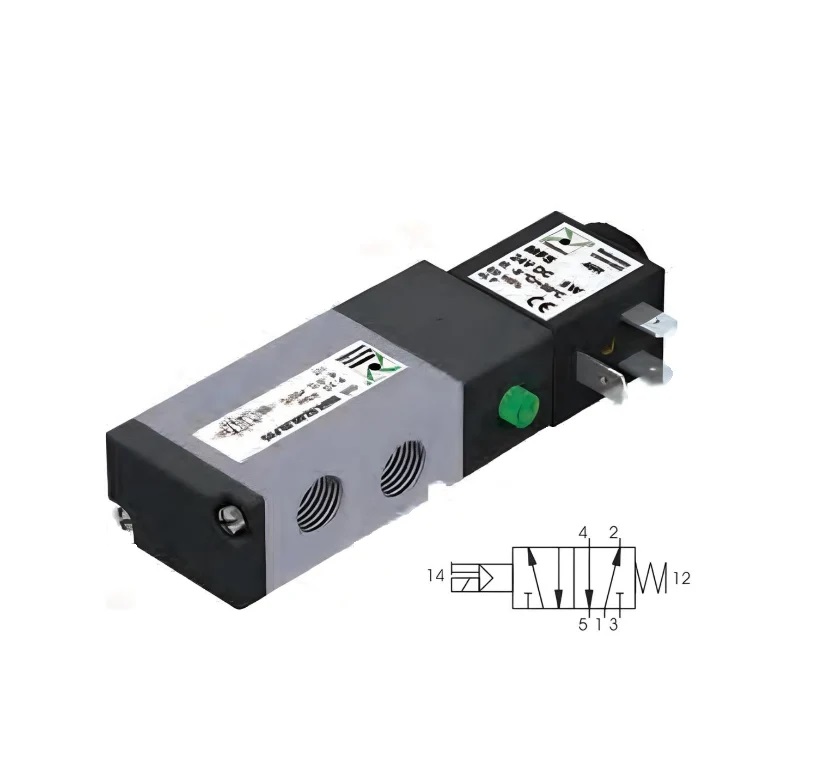
Automated equipment depends on accurate movement, consistent fluid regulation, and coordinated operations to achieve productive results. Every component contributes to maintaining smooth performance, and fluid control plays an important role in this process. Properties holds in https://www.vincervalve.com/what-is-a-solenoid-valve/ provides an effective way to control the movement of liquids and gases through electrically operated mechanisms. By responding to electrical signals, these valves support automated processes, improve operational consistency, and help equipment perform its intended functions with greater precision.

1. Supporting Accurate Automated Control

Precision is essential for equipment that performs repeated tasks. Solenoid valves help maintain controlled fluid movement by opening or closing passages according to electrical commands.

  • Quick Response: Electrical activation allows valves to respond promptly to control signals.
  • Consistent Operation: Reliable switching supports repeatable equipment movements and processes.
  • Accurate Flow Regulation: Controlled fluid passage helps maintain suitable operating conditions.
  • Coordinated Functions: Valves work alongside automated components to support synchronized activities.
  • Reduced Manual Intervention: Electrical control allows systems to manage fluid movement without continuous manual operation.

These capabilities contribute to organized workflows and dependable equipment performance across different applications.

2. Improving Operational Efficiency

Solenoid Valves

Efficient equipment operation requires components that support smooth performance while making effective use of available resources. Solenoid valves contribute through responsive operation and practical integration.

  • Controlled Fluid Usage: Accurate switching helps deliver fluid when particular operations require it.
  • Faster Process Cycles: Responsive activation supports timely completion of automated sequences.
  • Compact Construction: Various designs accommodate different equipment layouts and installation requirements.
  • Energy-Conscious Performance: Appropriate valve selection helps systems manage electrical and fluid requirements effectively.
  • Simplified Automation: Electrical connections make integration with control arrangements more convenient.

Together, these advantages help equipment maintain productive operating cycles and organized performance.

3. Enhancing Equipment Reliability

Reliable components support long-term operational stability and help automated machinery maintain consistent results. Selecting suitable solenoid valves according to application requirements strengthens overall system performance.

Important considerations include:

  • Material Compatibility: Choosing appropriate materials supports dependable operation with different fluids.
  • Pressure Requirements: Matching pressure ratings helps maintain suitable operating conditions.
  • Temperature Tolerance: Selecting valves for expected temperatures supports consistent functionality.
  • Maintenance Accessibility: Practical designs make routine inspection and servicing more convenient.
  • Quality Construction: Well-designed components contribute to stable operation throughout regular equipment cycles.

Proper installation and periodic maintenance further support dependable performance.

4. Expanding Automation Applications

Solenoid valves contribute to numerous automated equipment arrangements because their electrical operation supports different control requirements.

Common applications include:

  • Packaging Equipment: Managing pneumatic movements during product handling and packaging operations.
  • Manufacturing Machinery: Supporting controlled fluid delivery within automated production processes.
  • Water Management Systems: Regulating liquid movement through electrically controlled passages.
  • Pneumatic Equipment: Directing compressed air to support mechanical movements.
  • Cleaning Equipment: Controlling water and cleaning fluid distribution during programmed cycles.

Their adaptable functionality makes them valuable components in equipment designed for consistent and coordinated operations.

Building Better Automated Performance

Solenoid valves play an important role in improving automation through precise switching, dependable fluid regulation, and convenient electrical control. Their ability to support coordinated movements and efficient operating cycles makes them valuable across many equipment applications. Understanding suitable designs, operating requirements, and maintenance practices helps create reliable fluid control arrangements. Exploring additional product information through https://www.vincervalve.com/es/ can also support informed decisions when selecting suitable valve solutions. With appropriate integration, solenoid valves help automated equipment achieve smooth operation, consistent output, and lasting performance.

Shared Facilities Transforming Everyday Experiences in Condominium Communities

Shared facilities play an important role in making condominium communities more comfortable, convenient, and enjoyable. Thoughtfully designed common spaces encourage relaxation, recreation, social interaction, and healthier routines. The residential concept represented by one chuan grove highlights how shared environments can support a balanced lifestyle by bringing useful amenities closer to home. From peaceful outdoor corners to welcoming activity areas, these spaces create opportunities for residents to enjoy everyday moments while developing a stronger sense of community.

Recreational Spaces for Everyday Enjoyment

Recreational facilities help residents make leisure activities part of their regular schedules. Having convenient spaces within a residential community reduces the effort required to plan enjoyable breaks.

  • Swimming pools: Offer refreshing opportunities for exercise and relaxation.
  • Fitness rooms: Support convenient workouts and consistent wellness routines.
  • Walking paths: Encourage gentle movement and peaceful outdoor experiences.
  • Garden areas: Provide calming surroundings for reading, reflection, and rest.
  • Children’s play zones: Create engaging environments for active play and discovery.
  • Multipurpose rooms: Accommodate hobbies, group activities, and informal gatherings.

These facilities provide different ways to spend free time, helping residents enjoy a fulfilling lifestyle without travelling far from their homes.

Social Spaces Strengthening Community Connections

Interior Design

Shared spaces create natural opportunities for neighbours to meet, communicate, and build friendly relationships. Comfortable communal environments make it easier to celebrate occasions, exchange ideas, and enjoy meaningful conversations.

  • Community lounges: Encourage relaxed conversations and casual meetings.
  • Outdoor seating: Provide inviting places to unwind with family and friends.
  • Event spaces: Support celebrations and memorable community occasions.
  • Shared gardens: Bring residents together through outdoor activities.
  • Family recreation areas: Help different generations enjoy quality time together.

Regular interaction in these spaces can create a welcoming atmosphere where residents feel included and connected.

Practical Facilities Simplifying Daily Routines

Convenient shared amenities also improve household organisation by making common tasks easier to manage. Well-maintained facilities contribute to a smoother residential experience and help residents use their time effectively.

  • Secure parking areas: Make vehicle access more convenient.
  • Delivery collection points: Help organise incoming packages efficiently.
  • Bicycle storage: Support active travel and organised equipment storage.
  • Visitor seating areas: Offer comfortable spaces for arriving guests.
  • Waste collection facilities: Encourage cleaner and more orderly surroundings.
  • Dedicated storage spaces: Help keep personal living areas organised.

When these facilities are planned thoughtfully, everyday responsibilities become easier to coordinate, allowing residents to focus on personal interests and family activities.

Supporting Wellness and Sustainable Habits

Shared facilities can encourage positive habits through convenient access to movement, greenery, and relaxation. Fitness spaces support regular exercise, while landscaped surroundings provide opportunities to enjoy fresh air and quiet moments. Energy-conscious lighting, efficient water management, and appropriate waste separation can further promote responsible community living.

Consistent maintenance, clear facility guidelines, and considerate use help preserve these benefits. Residents can contribute by respecting shared spaces, keeping amenities tidy, and following established schedules.

Building a Better Residential Experience

Well-planned shared facilities transform residential communities into environments that support comfort, connection, and everyday convenience. They create more opportunities for recreation, encourage social relationships, and simplify routine activities for residents with different needs. The lifestyle associated with one chuan grove condo reflects the value of combining private comfort with thoughtfully managed communal amenities. When these spaces remain accessible, welcoming, and well maintained, they help create a positive living experience that residents can appreciate throughout the year.

Creative Arts Activities Help Children Express Their Unique Talents

Creative expression gives children a joyful way to discover interests, share ideas, and celebrate what makes them special. Through drawing, painting, music, movement, crafting, and storytelling, children communicate feelings and explore possibilities. These experiences encourage confidence while making learning enjoyable. These moments also make room for wonder, experimentation, and personal discovery.

Encouraging Imagination Through Artistic Exploration

Art invites children to turn thoughts and observations into original creations. With freedom to experiment, they learn that every idea has value.

  • Drawing pictures inspired by favorite stories
  • Painting with different textures, patterns, and techniques
  • Building models with safe, reusable craft materials
  • Creating collages with shapes, colors, and images
  • Inventing characters through playful storytelling

Building Confidence Through Creative Choices

Educational Activities

Making artistic decisions helps children trust their abilities. Completing a project brings achievement, while sharing it helps them feel appreciated and proud of their strengths.

  • Choosing materials and colors they enjoy
  • Exploring different ways to complete an activity
  • Celebrating effort, curiosity, and original ideas
  • Displaying artwork to recognize individual progress
  • Sharing the inspiration behind each project

Developing Communication And Social Skills

Creative activities offer welcoming opportunities to connect. Group projects encourage listening, cooperation, and appreciation of different perspectives, helping children express themselves comfortably.

  • Taking turns with shared art supplies
  • Describing pictures and ideas to friends
  • Collaborating on murals or group creations
  • Listening to different interpretations of a theme
  • Celebrating everyone’s contribution with kind feedback

Supporting Learning Through Hands-On Discovery

Making art strengthens skills that support learning in many areas. Children observe details, recognize patterns, solve challenges, and practice patience as ideas become creations.

  • Improving hand coordination through drawing and shaping
  • Exploring colors, shapes, textures, and rhythm
  • Practicing concentration during creative tasks
  • Solving problems by testing different materials
  • Building vocabulary by discussing artistic choices

Making Room For Every Child’s Talents

Every child has a distinctive way of expressing imagination. Some enjoy detailed pictures, while others shine through dance, music, dramatic play, or inventive construction. A supportive environment offers varied experiences without comparisons or identical expectations. Programs that include after school enrichment in new york with lola & kids can introduce enjoyable creative opportunities while encouraging children to explore their interests.

Creating Positive Experiences That Last

Regular creative expression helps children recognize their strengths and remain curious. Adults can nurture growth by providing materials, offering encouragement, and allowing time to experiment at an individual pace.

  • Keep simple art supplies ready for inspiration
  • Invite children to explain their creations
  • Encourage exploration over perfect results
  • Celebrate small discoveries and completed projects
  • Make creative time a regular part of learning

Creative arts activities help children feel heard, capable, and inspired. By welcoming different ideas and celebrating individual expression, families and educators can help every child discover talents, build connections, and enjoy the confidence that comes from creating something uniquely their own.

Key Factors Influencing Pneumatic Valve Performance

Pneumatic valves play an important role in controlling compressed air and supporting smooth machine operations. Their performance directly influences airflow regulation, operating efficiency, movement accuracy, and overall system reliability. Understanding the factors that affect valve functionality helps industries select suitable components and maintain consistent performance. With proper selection, installation, and maintenance, pneumatic valve systems can deliver dependable results across various applications.

1. Air Pressure and Supply Quality

Consistent air pressure is essential for achieving reliable pneumatic valve performance. An appropriate pressure supply allows valves to respond accurately and maintain stable airflow.

Important considerations include:

  • Maintaining recommended operating pressure.
  • Ensuring consistent compressed air delivery.
  • Using effective air filtration systems.
  • Reducing moisture within air lines.
  • Preventing unwanted dust and particles.
  • Maintaining suitable air preparation units.

Clean and properly regulated air supports smooth internal movement and contributes to longer component life.

2. Valve Design and Construction

Valve design influences airflow capacity, response speed, and operational flexibility. Selecting a suitable configuration helps create an efficient connection between pneumatic components.

Several design factors deserve attention:

  • Number of ports and operating positions.
  • Internal passage dimensions.
  • Material quality and durability.
  • Sealing arrangement and precision.
  • Flow capacity and pressure compatibility.
  • Suitability for specific machine requirements.

A well-designed valve provides consistent control while supporting efficient equipment operation.

3. Response Time and Operating Speed

Response time determines how quickly a valve changes its position after receiving an operating signal. Faster and more consistent responses help automated machinery maintain coordinated movements.

Performance can be supported through:

  • Appropriate valve sizing.
  • Efficient control signal transmission.
  • Proper pressure regulation.
  • Suitable actuator compatibility.
  • Accurate system configuration.

Understanding the properties in https://www.vincervalve.com/pneumatic-valve-working-principle/ also helps operators recognize how different internal mechanisms contribute to effective airflow control.

4. Temperature and Environmental Conditions

Operating conditions can influence valve materials, seals, and overall functionality. Choosing components that match the surrounding environment helps maintain dependable operation.

Key considerations include:

  • Suitable temperature resistance.
  • Durable body construction.
  • Effective moisture protection.
  • Appropriate sealing materials.
  • Resistance to workplace dust.
  • Proper equipment positioning.

These measures support stable performance under different operating conditions.

5. Installation and System Compatibility

Correct installation allows pneumatic valves to work efficiently with connected equipment. Compatibility between components also supports smooth airflow distribution.

Essential installation practices include:

  • Following recommended mounting positions.
  • Checking port connections carefully.
  • Selecting compatible tubing dimensions.
  • Ensuring secure fittings.
  • Maintaining accessible service connections.
  • Verifying operating pressure requirements.

6. Maintenance and Regular Inspection

Preventive maintenance helps preserve valve efficiency and supports long-term equipment reliability. Routine inspections also provide opportunities to identify performance improvements.

Useful maintenance activities include:

  • Checking seals and connections.
  • Cleaning filtration components.
  • Inspecting moving mechanisms.
  • Monitoring airflow consistency.
  • Reviewing pressure settings.
  • Replacing worn components when necessary.

Conclusion

Pneumatic valve performance depends on several interconnected factors, including air quality, pressure consistency, valve construction, response time, environmental conditions, installation, and maintenance. Paying attention to these elements helps create dependable pneumatic systems with smooth airflow and accurate control. Through thoughtful component selection and regular inspections, industrial operations can achieve improved efficiency, consistent functionality, and reliable machine performance over extended operating periods

Type 3 Spd Technology Supports Sensitive Electronic Equipment Protection

Sensitive electronic equipment plays an essential role in modern electrical installations, supporting communication, automation, monitoring, and everyday operations. Protecting these valuable devices from unexpected voltage surges is important for maintaining dependable performance and operational continuity. Type 3 Surge Protective Device (SPD) technology provides an additional layer of protection by managing residual surges near connected equipment. Its specialized design supports reliable electrical performance while encouraging greater confidence in protecting delicate electronic components.

Advanced Surge Protection Supports Electronic Safety

Type 3 SPD technology is designed to provide fine protection for sensitive electrical and electronic equipment. Installed close to the equipment, these devices help limit residual transient overvoltages that may pass through upstream protection. This additional protection contributes to a more dependable electrical environment.

  • Helps limit residual voltage surges.
  • Supports sensitive electronic components.
  • Provides point-of-use protection.
  • Encourages dependable equipment operation.
  • Complements coordinated surge protection systems.

Improved Protection Encourages Equipment Reliability

Electronic devices often contain delicate circuits that benefit from controlled voltage conditions. Additional surge protection helps reduce exposure to potentially damaging transient events, supporting consistent equipment operation. This approach is particularly valuable in installations where electronic performance and operational continuity are important.

  • Supports reliable electronic performance.
  • Helps protect delicate internal circuits.
  • Encourages consistent operating conditions.
  • Reduces exposure to residual electrical disturbances.
  • Supports long-term equipment care.

Suitable Applications Strengthen Electrical Performance

Many modern installations depend on sensitive electronic devices for accurate monitoring, communication, and control. Type 3 protection offers a useful solution for equipment positioned near the final point of electrical supply. Its application supports a wide range of environments requiring additional protection.

  • Computer systems and electronic workstations.
  • Communication and networking equipment.
  • Monitoring and control devices.
  • Audio and entertainment equipment.
  • Sensitive electronic instruments.

Coordinated Protection Improves Overall Safety

Effective surge protection works best when different protective devices operate together. Type 3 SPDs complement suitable upstream Type 1 or Type 2 protection rather than replacing them. Understanding the differences between these technologies helps electrical professionals develop coordinated protection arrangements. The technical comparison available at https://lsp.global/spd-type-1-vs-type-2-vs-type-3/ offers useful information about their individual functions and applications.

  • Upstream devices manage higher-energy surges.
  • Type 3 devices address residual disturbances.
  • Coordinated arrangements improve protection coverage.
  • Suitable installation supports dependable performance.
  • Professional selection encourages effective system integration.

Proper Installation Supports Consistent Performance

Correct selection and installation contribute significantly to the effectiveness of surge protection devices. Electrical professionals consider system characteristics, equipment requirements, manufacturer instructions, and applicable standards when planning installations. Careful attention to these factors encourages dependable protection and effective operation.

  • Check equipment voltage compatibility.
  • Consider the required protection level.
  • Follow manufacturer installation instructions.
  • Maintain suitable protective coordination.
  • Arrange regular inspection of protective devices.

Long-Term Benefits Encourage Smarter Electrical Planning

Investing in suitable surge protection supports responsible equipment management and dependable electrical installations. Additional protection near sensitive devices can contribute to reduced equipment vulnerability and greater operational confidence. Well-planned protection arrangements also support maintenance objectives and encourage consistent performance.

Type 3 SPD technology offers valuable support for protecting sensitive electronic equipment against residual voltage surges. Through suitable selection, coordinated installation, and regular inspection, these devices contribute to reliable electrical systems. Their role in modern protection arrangements encourages equipment longevity, operational continuity, and greater confidence in maintaining valuable electronic assets.

What to Expect When You Call for an Emergency Home Repair in the UK

If you have never needed an emergency repair before, the process can feel daunting. You may be worried about how long someone will take, how much it will cost and whether you can trust the person who arrives. Knowing what normally happens, step by step, makes the experience far less stressful and helps you to spot anything that does not seem right. Here is what to expect, from the first phone call to the final invoice.

What to say on the first call

The first call sets the tone for everything that follows. Whether you are speaking to a business such as Apex Emergency Repairs or any other provider, a good call handler will ask clear questions to understand the problem and judge how urgent it is. Stay calm and give clear, factual answers.

Be ready to explain:

  • Your name, address and contact number.
  • What has happened, when it started and whether it is getting worse.
  • Whether anyone is at risk or the property is unsafe.
  • What you have done so far, such as turning off the water or electricity.
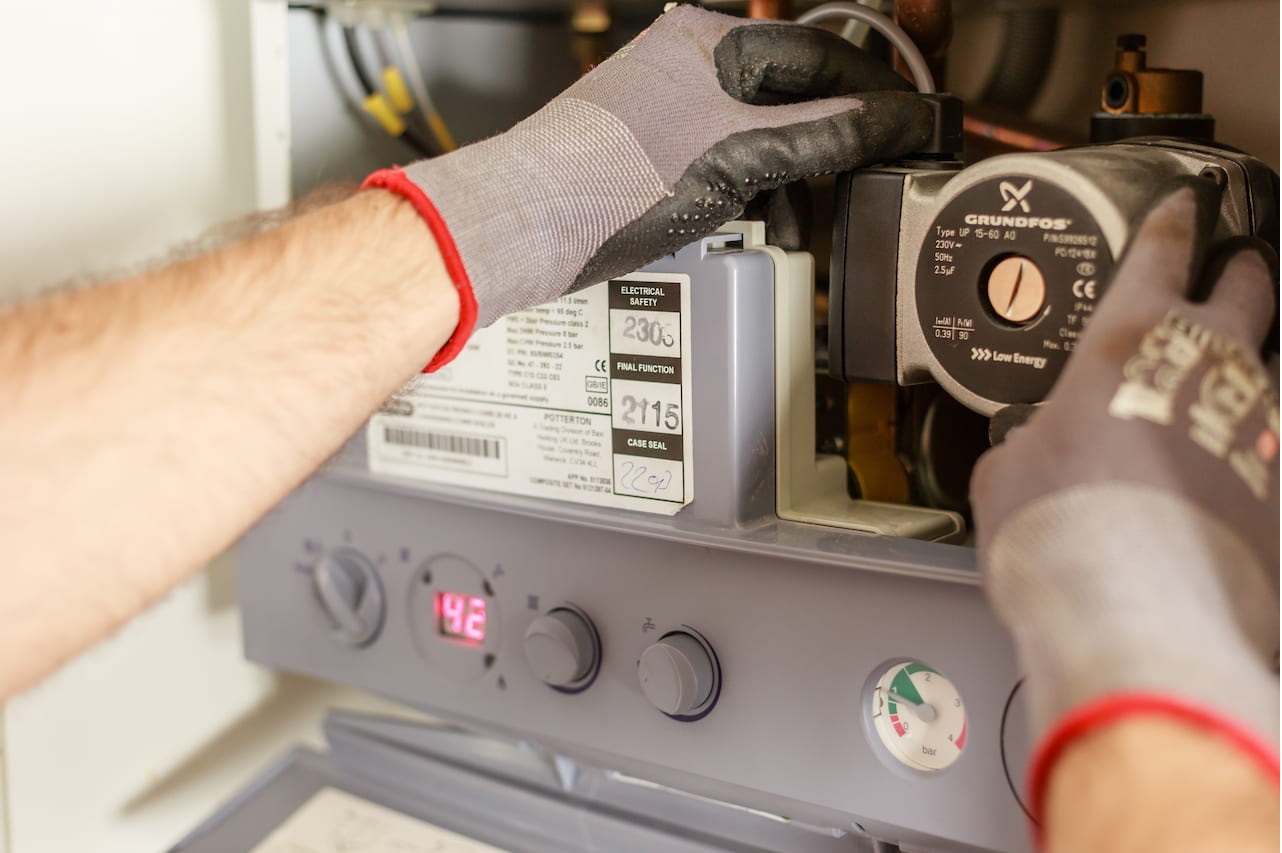
  • Any relevant details about the system, such as the make of a boiler or the age of the consumer unit.

If there is a danger to life, such as a fire or a strong smell of gas, ring 999 or the National Gas Emergency Service on 0800 111 999 first, then call a repair service.

Arrival times and what affects them

Emergency Repairs

Most providers will give you an estimated arrival window. It depends on several things:

  • How busy they are, as bad weather often leads to a surge in call outs.
  • How far the engineer has to travel.
  • How urgent your situation is compared with other jobs.
  • Whether it is a normal working hour or the middle of the night.
  • Whether the engineer needs to collect specialist parts.

A reputable company will be honest about the time and keep you updated if there is a delay. Be wary of anyone who promises an impossibly quick arrival and then fails to show up. When you are waiting, keep the area safe, make sure access is clear and keep your phone close in case the engineer needs to contact you.

Call-out fees, labour and parts

Costs are the biggest worry for most people. Emergency work usually costs more than a standard booking, because of the speed and the out-of-hours availability. Charges are typically made up of several parts:

  • A call-out fee, which covers travel and the initial assessment. Some firms include the first period of labour in this fee.
  • Labour, charged either by the hour or as a fixed price for the job.
  • Parts and materials, which may be charged at cost or with a mark-up.
  • Extra charges, for example for work at night, weekends or bank holidays.

Ask about all of these before the engineer travels. A trustworthy provider should explain how pricing works, give an indication of the likely cost and tell you if it is likely to change once they see the problem.

The visit: assessment, temporary fix, full repair

When the engineer arrives, they should introduce themselves, show identification if you ask and explain what they are going to do. A typical visit follows these stages:

  1. The engineer finds the cause and checks that the property is safe.
  2. Making safe. They isolate the fault, for example by shutting off the supply or disconnecting a faulty circuit.
  3. Temporary or permanent repair. Where the right part is on the van and the job is simple, they may finish it there and then. In other cases, they may make a temporary fix and return with parts.
  4. The engineer checks that the system works and is safe.
  5. They should tell you what they found, what they did and whether more work is needed.

Do not feel pressured into agreeing to extra work on the spot. If they recommend further repairs, ask for a written quote and take time to consider it, unless the issue is a genuine safety risk.

Getting a clear quote and paperwork

Before any work begins, ask for the price in writing, even if it is a text message or email. It should state what is included and any conditions. Afterwards, you should receive:

  • An itemised invoice showing labour, parts and any call-out fee.
  • Certificates where required, such as a Gas Safe record for gas work or an electrical certificate for notifiable electrical work.
  • Details of any guarantee or warranty on the repair.
  • A receipt, which you will need for any insurance claim.

Keep all of these documents safe, together with photos of the damage and the finished repair.

Red flags to watch for

Unfortunately, emergencies attract a small number of rogue traders who take advantage of people under pressure. Warning signs include:

  • Refusing to give any indication of price before starting.
  • A price that rises sharply once work has begun, with no clear reason.
  • Demanding full payment in cash before the job is done.
  • No identification, company name or vehicle markings.
  • No registration for work that requires it, such as Gas Safe for gas.
  • Pressuring you to sign quickly or to agree to unnecessary extra work.

Before you agree to anything, check registrations. You can verify a gas engineer on the Gas Safe Register website or by calling 0800 408 5500, and electricians often belong to schemes such as NICEIC or NAPIT. Check any claims with the relevant body. Also look at reviews, but read them critically, as they can be unreliable.

Calling for emergency help does not have to be frightening. Give clear information, ask about costs, expect a professional assessment and make sure you get the paperwork afterwards. If something does not feel right, it is fine to pause and ask questions. A good provider will welcome them.

Copyright ©2026 . All Rights Reserved | Guillaumeprebois