
Healthy planted aquariums can benefit from a steady supply of carbon dioxide, especially when growing plants that appreciate enhanced carbon availability. A quality regulator helps control gas pressure from the cylinder and delivers it into the aquarium at a consistent rate. Choosing the right features can make a CO2 system easier to manage while supporting attractive plant growth and a balanced underwater environment.
Why A Good CO2 Regulator Matters
A regulator reduces high cylinder pressure to a controlled working pressure suitable for aquarium use. This allows hobbyists to fine-tune CO2 delivery according to aquarium size, plant density, and water movement. For many setups, selecting the best co2 regulator means finding a model that combines dependable pressure control with convenient adjustment features.
Important benefits include:
- Consistent CO2 delivery
- Smooth pressure adjustment
- Convenient bubble-rate control
- Reliable daily operation
- Better control over carbon availability
- Easier aquarium maintenance
Features Worth Considering
Dual-stage regulators can provide particularly stable output as cylinder pressure changes. A dual-gauge design also gives useful information about cylinder pressure and working pressure, helping users monitor their setup more confidently.
Look for these helpful features:
- Dual-stage pressure regulation
- Clear pressure gauges
- Fine needle valve adjustment
- Built-in solenoid valve
- Bubble counter
- Compatible fittings
- Durable construction
- Easy-to-read controls
Solenoid Valves Add Convenience
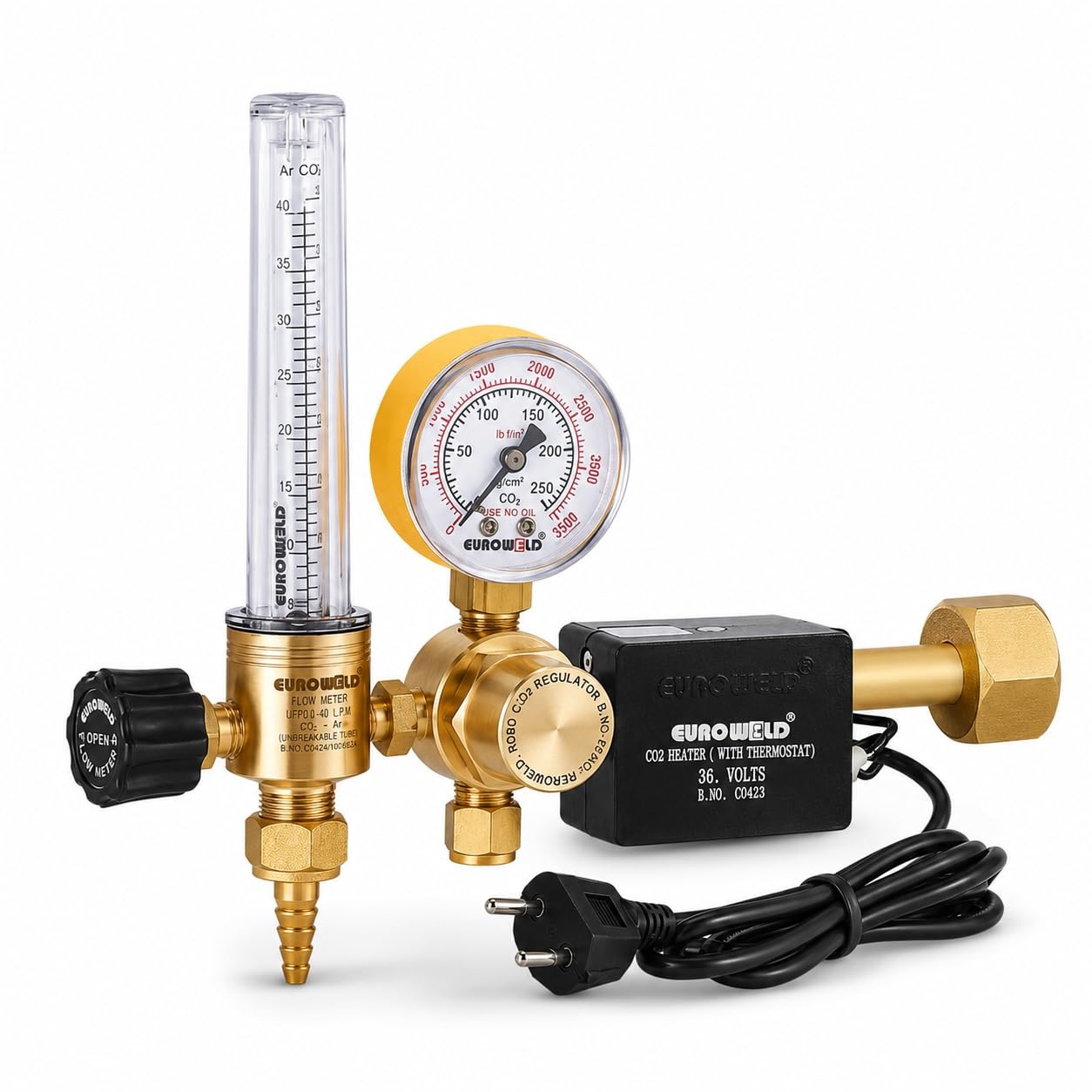
A regulator with a solenoid can simplify daily operation by allowing CO2 delivery to follow a planned lighting schedule. This reduces the need for frequent manual adjustments and helps create a consistent routine for planted aquariums.
Useful advantages include:
- Automated CO2 control
- Convenient timed operation
- Consistent daily scheduling
- Reduced manual adjustments
- Simple integration with aquarium routines
Match The Regulator To Your Tank
Tank size plays an important role when selecting CO2 equipment. Smaller aquariums benefit from precise low-flow adjustment, while larger planted displays may require stronger and more stable pressure control. The diffuser or reactor should also match the regulator’s working-pressure capabilities.
Consider:
- Aquarium volume
- Number of aquatic plants
- Diffuser requirements
- Filter circulation
- Available cylinder size
- Desired level of automation
Supporting A Complete CO2 Setup
A regulator works best as part of a complete system. CO2-resistant tubing, a check valve, diffuser, bubble counter, and monitoring accessory can complement controlled gas delivery. Proper circulation also helps distribute dissolved CO2 throughout the aquarium.
A well-planned setup can provide:
- Even carbon distribution
- Efficient gas diffusion
- Neater equipment arrangement
- Simple monitoring
- Consistent plant support
Enjoy A More Thriving Planted Aquarium
Choosing a regulator with precise controls, dependable construction, and useful automation features can make aquarium CO2 management straightforward and rewarding. With suitable equipment and consistent adjustments, planted aquariums can provide a vibrant underwater setting where aquatic plants flourish alongside healthy fish.