
Ever stared at a stack of firewood and wondered, “Is this stuff ready to burn, or am I about to fill my home with smoke?” You’re not alone. The difference between seasoned and green firewood can make or break your next cozy fireplace session. Let’s dive in and keep things simple.
What is Seasoned Wood (and Why Should You Care)?
Seasoned wood simply means it’s been dried out—usually for several months—until the moisture inside drops below about 20%. This makes a *huge* difference when you’re lighting a fire.
Why does it matter?
– Lights easier (no endless matches and frustration)
– Burns hotter and longer
– Less smoke and way less creosote (that nasty stuff that clogs up chimneys)
– You get steady, beautiful flames instead of a hissing, smoky mess
How can you tell it’s seasoned?
– Feels lighter than fresh-cut wood
– Makes a hollow “clunk” when you knock two pieces together
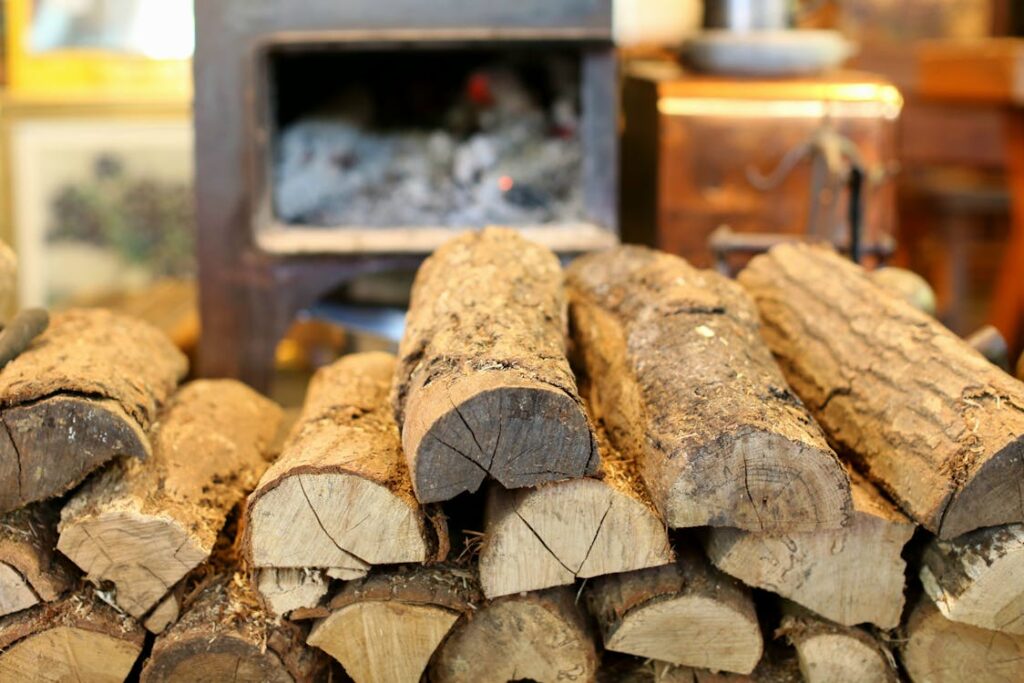
– Cracks show at the ends
– Bark often peels off easily
– Feels dry (not slick or damp)
Pro tip: Don’t just trust your eyes—use a moisture meter if you want to be sure. If you’re looking for a reliable source, check out firewood for sale to get seasoned wood delivered to your door.
Green Wood: What’s the Deal?
Green wood is freshly cut and still loaded with water. If you try to burn it right away, here’s what happens:
– Super tough to light
– Lots of smoke (your neighbors will notice)
– Less heat for your effort
– More creosote in your chimney (hello, expensive cleanings)
– You’ll be reloading way more often
Quick tip: If you *have* to use green wood, split it smaller and stack it with lots of air gaps to help it dry out quicker (but honestly, patience is your best friend here).
Fast Ways to Tell the Difference
Worried you’re grabbing the wrong wood? Here are some super quick tests:
– Weight test: Seasoned wood feels light; green wood is heavy and dense.
– Sound test: Knock two logs together—seasoned = hollow, green = dull thud.
– Check the ends: Cracks? Good. Smooth and fresh? Still green.
– Bark check: Loose or peeling bark = seasoned. Tight bark = still green.
– Feel: Seasoned wood is dry and rough; green feels damp or sticky.
Why Bother With Seasoned Wood? The Real Benefits
If you want an easy, efficient, and safe fire, seasoned wood is the way to go. Here’s why:
– More heat: You’ll actually feel the warmth!
– Less smoke: Say goodbye to smoky rooms and coughs.
– Cleaner burns: No gunky creosote, less chimney cleaning.
– Fewer reloads: Each log lasts longer.
– Easier handling: Seasoned wood splits and stacks way better.
Storing and Drying Firewood—Do it Right!
Want your wood to season faster and burn better? Here’s how:
– Stack wood off the ground (use pallets or a rack).
– Leave gaps between rows for air flow.
– Cover the top to keep rain off, but let the sides breathe.
– Store in a sunny, breezy spot if you can.
– Split logs smaller—they dry out faster.
– Keep species and batches labeled if you want consistency.
– Check moisture with a meter or by feel (aim for under 20%).
Bonus tip: Don’t let seasoned wood touch damp ground, or it’ll suck up moisture all over again.
The Bottom Line
If you want a fire that’s easy to start, burns hot, and keeps your chimney cleaner, go for seasoned wood every time. Green wood takes patience and planning, but once dry, it’s worth the wait.